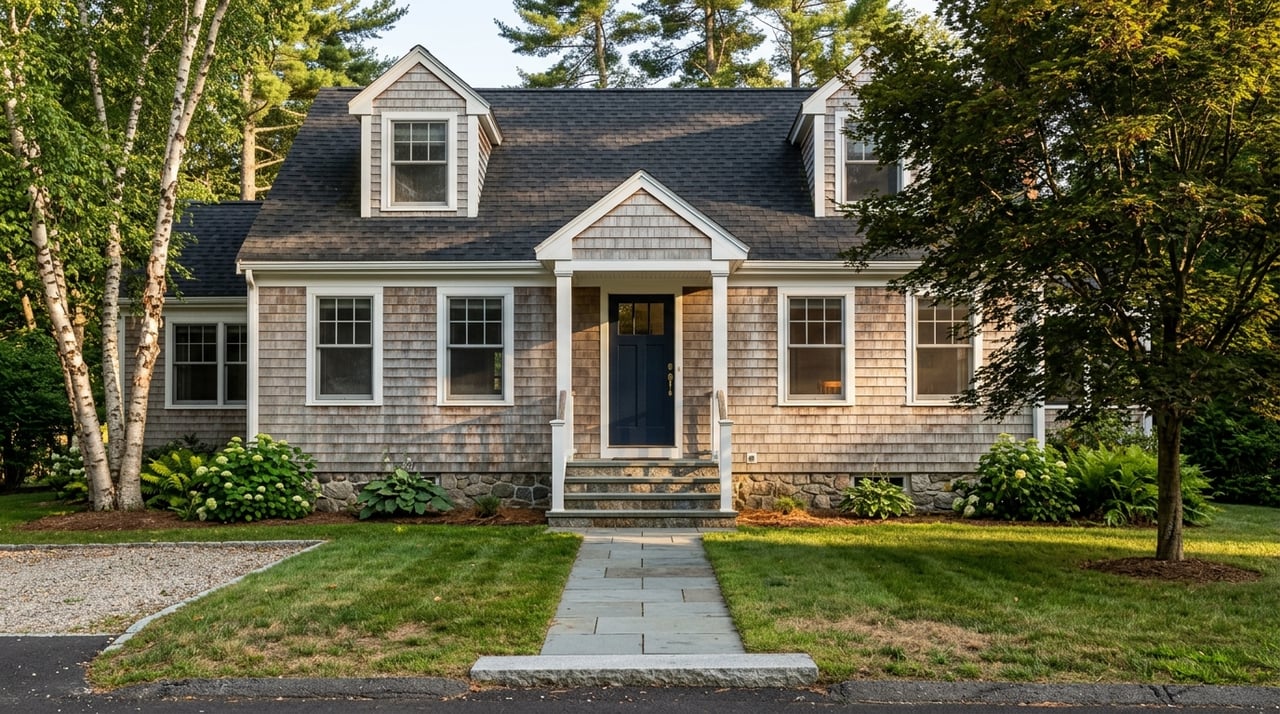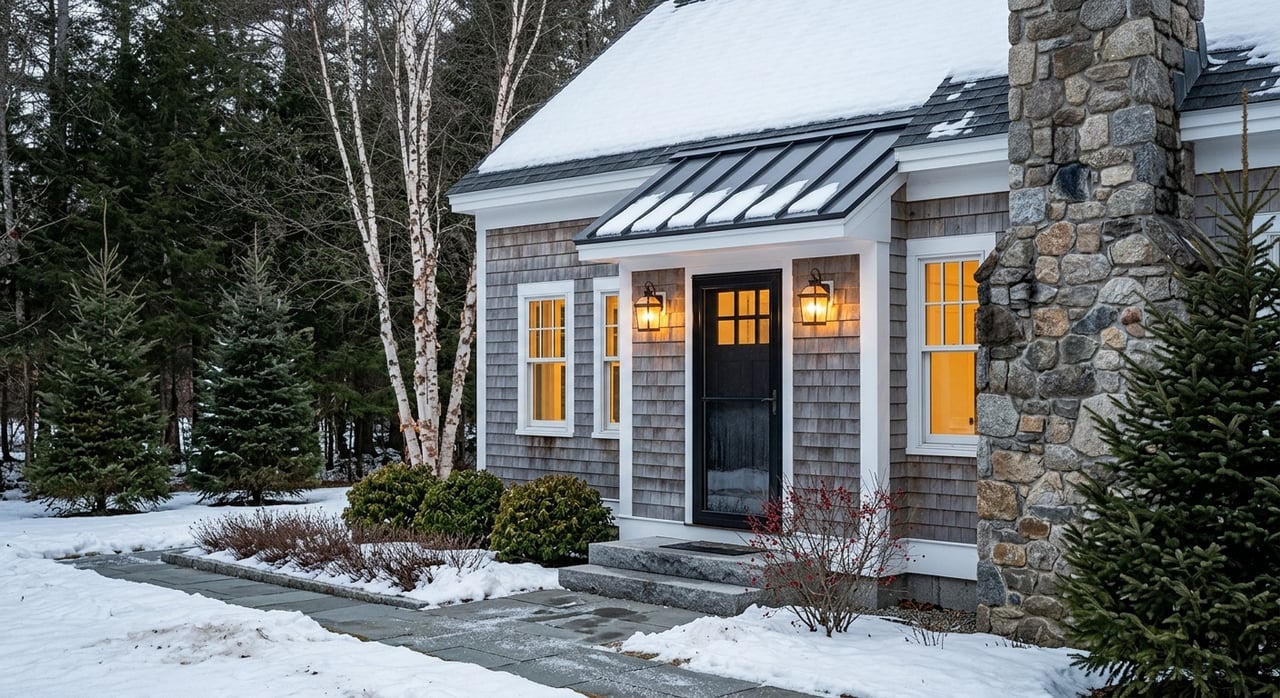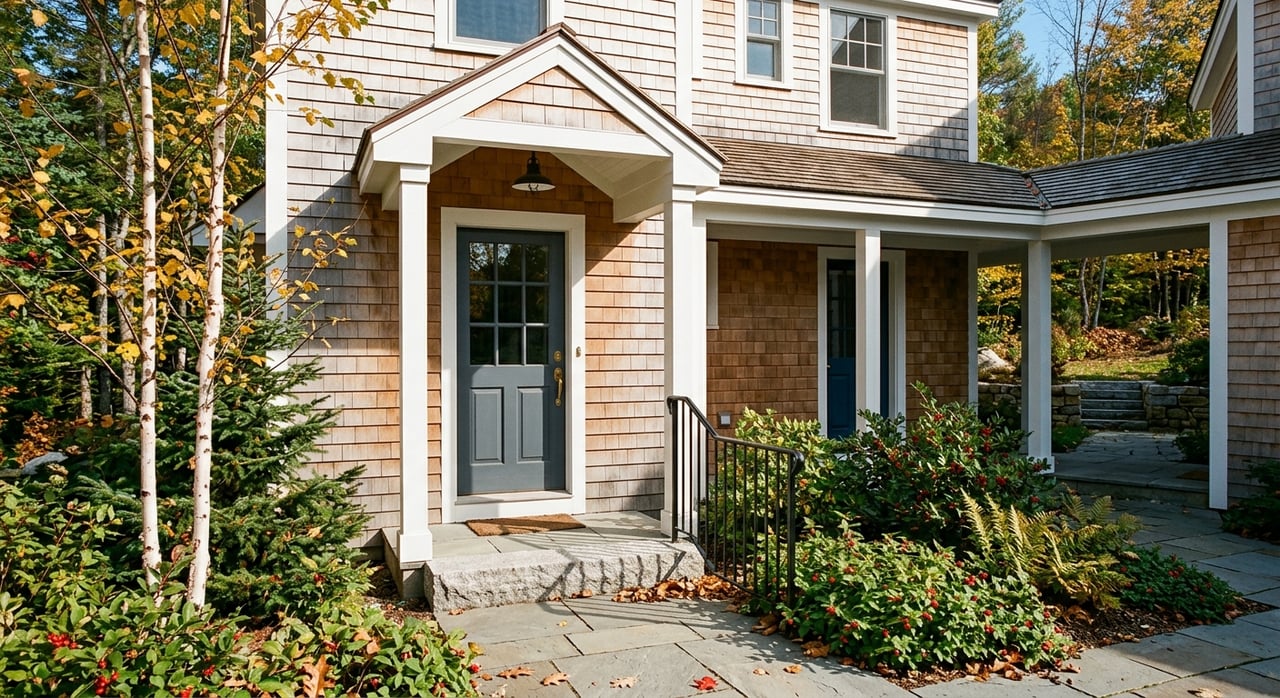
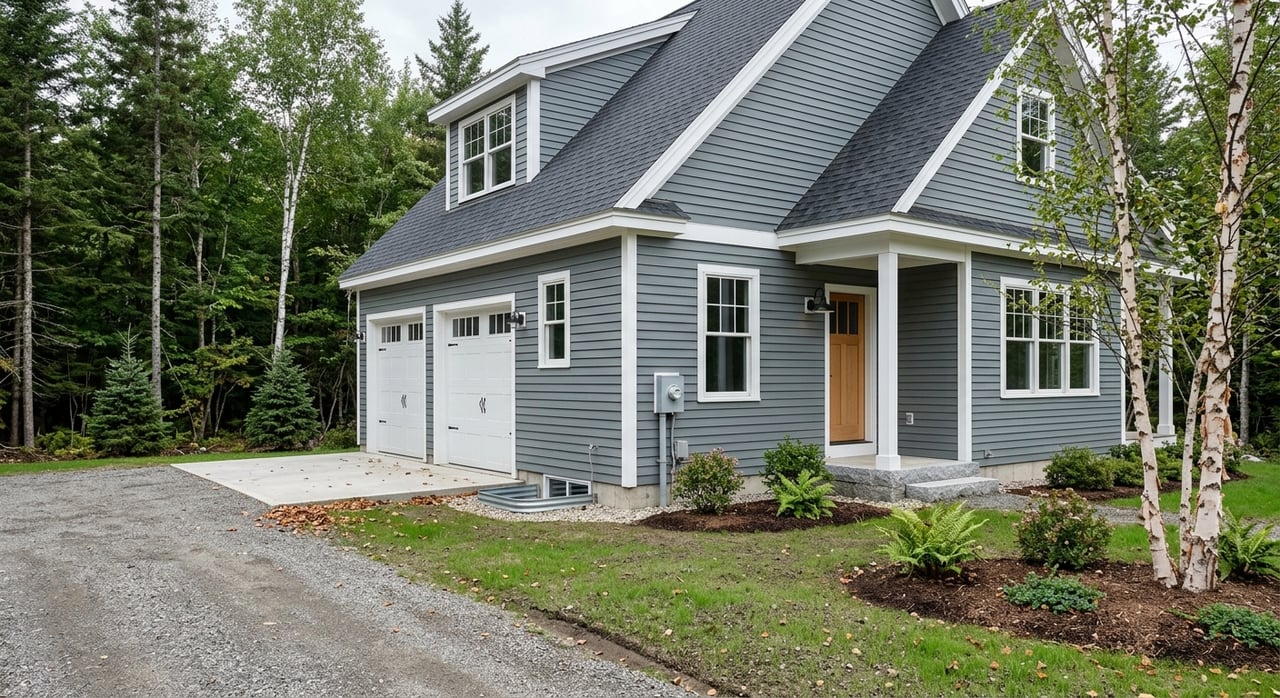
Thinking about buying land or building a new home in Conway? It can be an exciting way to create the property you really want, whether that means a year-round home, a vacation retreat, or a place near the mountains and water. It can also be more complex than buying an existing house, because land in Conway often needs careful review before you can build with confidence. This guide will help you understand the key local factors, common approval steps, and practical questions to ask before you move forward. Let’s dive in.
Why Conway land needs a closer look
In Conway, buying land is not as simple as checking the acreage and assuming you can build whatever you want. The town uses underlying zoning districts along with overlay districts that can affect what is allowed on a parcel and how a home site must be planned.
That matters because a lot may look ideal at first glance, but the actual buildable area can be smaller than you expect. Floodplain, wetlands, slope, shoreline rules, and other site conditions can all change what is possible.
The town also provides map resources for zoning districts, overlay districts, tax maps, property tax cards, and environmental layers such as soils, slopes, wetlands, floodplain, and protected land. For buyers, that means parcel-by-parcel review is essential.
Key overlay rules to know
Some Conway parcels have extra review layers beyond the base zoning district. These overlays can affect setbacks, excavation, impervious coverage, and where structures or septic components can go.
Mountain Conservation District
In the Mountain Conservation District, which covers land north and east of the Saco River above 800 feet in elevation, excavation is prohibited. If you are looking at a higher-elevation parcel, this is a major issue to confirm early because site work is often a basic part of building.
Shoreline Protection Overlay
Conway’s Shoreline Protection Overlay applies within 300 feet of great ponds. If you are considering a shorefront or near-shore parcel, you may face added review beyond the base zoning rules.
Wetland and Watershed Protection Overlay
In this overlay, structures must be set back 100 feet from water or wetland. Septic tanks and leach fields also may not be closer than 100 feet to a wetland, and impervious coverage is capped at 25%.
For a buyer, that can shrink the usable area of a lot more than expected. It is one reason two parcels with similar size can have very different building potential.
What makes a lot buildable in Conway
Raw land feasibility in Conway often comes down to four big questions: access, soils, slope, and utilities. These details can affect not just whether you can build, but also how much site work and cost may be involved.
Conway’s subdivision regulations say lots must front on a street. The Planning Board may withhold approval if a lot is unsafe or impractical to build on because of flood risk, poor drainage, excessive slope, rock formations, unsuitable soils, or inadequate sanitary sewer capacity.
The regulations also require soil maps and slope information for proposed lots. Wetland, floodplain, and land with slopes greater than 25% may not be used to satisfy minimum lot size.
Access and roads
If a parcel is on a private road, you will want to verify that the road conforms to Town standards. Conway allows private roads, but if a private road is later accepted by the Town, it must be paved and brought up to then-current standards.
Driveway work has its own local process too. The Town requires a driveway permit application fee of $100, a surety or deposit equal to the work cost or $2,000, whichever is greater, 48 hours’ notice for inspection and marking, and Dig Safe coordination before construction.
Town materials also state that driveway work generally is not permitted during winter months. In practice, that can affect your construction schedule if you are trying to start work late in the season.
Soils and slope
A wooded lot can feel private and full of potential, but steep grades, ledge, drainage, and wet areas can make a site more difficult and expensive to develop. Soil and slope review is especially important in Conway because the regulations directly tie those conditions to lot feasibility.
If you are comparing parcels, ask not just whether a lot is large, but where the likely house site, driveway, septic area, and drainage path would go. A smaller lot with straightforward site conditions can sometimes be easier to build on than a larger lot with challenging terrain.
Water and sewer service
Conway’s subdivision rules require adequate water supply, sanitary sewage disposal, and utilities. The Planning Board may require public water and sewer extensions where existing lines are reasonably close.
At the same time, Conway Water/Sewer serves about 930 customers in Conway Village and parts of Albany and Madison. That means many buyers should verify whether a parcel has municipal service available or whether on-site water and wastewater solutions will be needed.
Permits can shape your timeline
One of the biggest surprises for buyers is how much planning happens before construction actually starts. In Conway, permits and related approvals can add real time and cost to a project.
Conway requires a residential building permit for any new structure or any footprint change, and for certain alterations costing $1,500 or more. Applications must be submitted at least 30 days before work begins, work cannot start before the permit is issued, and permits are valid for one year.
The town’s building department states that Conway’s primary codes are the 2021 IBC, 2021 IRC, and 2021 NFPA 101. For new construction, drawings are required for all new projects.
Site-specific approvals often come first
Conway’s permit packet shows sign-offs for driveway, subdivision, site plan, precinct water and sewer, shoreline approval, and dredge, fill, wetlands, or floodplain permits. That is a good signal that the path to a building permit often depends on resolving site-specific issues first.
The application materials also note that a surveyed plot plan and foundation certificate may be required if setbacks are not clear. If the lot has unusual boundaries, environmental constraints, or a tight building envelope, those details matter early.
Septic review matters
For properties that need septic, Conway requires town approval before state approval. The Town says it will review plans within seven days, and the septic application requires all bodies of water within 125 feet, plus setbacks to water, road right-of-way, and lot lines, to be shown on the plan.
If you are buying near water, this step becomes even more important. Site layout, septic location, and setbacks can all affect what kind of home can realistically fit on the lot.
Waterfront and wetland-adjacent lots
For waterfront or wetland-adjacent projects, New Hampshire state rules may add another layer. NHDES states that many new construction, excavation, and fill activities within protected shoreland require a shoreland permit, while some smaller projects may qualify for notification.
NHDES also notes that larger impervious-area increases can trigger stormwater design requirements. If work occurs within a waterbody’s bank, a wetland permit may apply instead.
For septic-served properties within 200 feet of a great pond or a fourth-order-or-higher river, New Hampshire requires a site assessment before the property changes hands. In Conway, that is especially relevant because shorefront and river-adjacent properties are a meaningful part of the market.
New construction financing works differently
Buying land or building new often involves different financing than a standard resale purchase. A construction loan is typically a short-term loan used to fund building or rehabilitation, usually with funds advanced in draws as work progresses.
Depending on the lender, the loan may convert to a permanent mortgage or require a separate application for permanent financing. That is why it helps to discuss financing early and specifically as land-only, construction-to-permanent, or purchase of a completed home.
Raw land and partially improved parcels can also be harder to underwrite than finished resale homes. Properties with non-standard features, including larger acreage, can require a more detailed lending conversation.
Questions to ask before you commit
Before you write an offer on land or sign a builder contract, ask clear questions about:
- The type of financing the property will require
- Whether the parcel has municipal water or sewer access
- Whether septic design or site review is needed
- What permits or approvals are likely before construction
- Whether the road and driveway situation could delay the project
- How builder deposits, allowances, and change orders are handled
It is also smart to make your offer and contract contingent on financing and a satisfactory inspection. On raw land and new construction, hidden site issues can change the budget quickly.
Builder contracts deserve extra attention
If you are buying a home that is not yet built, the contract details matter just as much as the floor plan. A builder may ask for an upfront deposit, so you should understand when that deposit can be returned, if at all.
You should also know that you are not required to use a builder’s affiliated lender. Shopping around can help you compare costs and loan structure.
Change orders are another area to review carefully. If builder modifications increase the cost of the project, they can also affect the loan amount and your out-of-pocket budget.
Smart local checks before you buy
Before you move ahead with a Conway land or new construction purchase, local verification is your best friend. A little upfront work can save time, money, and stress later.
A practical checklist includes:
- Review the parcel on the Town’s zoning and overlay maps
- Check environmental layers for wetlands, slopes, floodplain, and protected land
- Confirm road frontage and access details
- Verify whether public water or sewer is available
- Ask what permits may be needed before a building permit can be issued
- Review tax maps, tax cards, and property records through the Assessing Office
- Confirm whether subdivision, site plan, shoreline, or wetlands review may apply
Conway’s Planning Department handles technical review for site plan and subdivision applications and staffs the Planning Board and ZBA. Building Inspection and Code Enforcement handles permit and code review, which makes both offices important stops during your due diligence.
Why local guidance matters in Conway
In a place like Conway, land and new construction purchases are highly local. The difference between a smooth project and a frustrating one often comes down to understanding the parcel, the approvals, and the order in which each step needs to happen.
That is especially true if you are buying for a vacation home, waterfront property, or a custom build tied to a specific lifestyle. You want a plan that matches both your goals and the realities of the site.
A local, education-first approach can help you ask better questions before you commit. That way, you can move forward with clearer expectations on timeline, cost, and what the property can truly support.
If you are exploring land or new construction in Conway, working with someone who understands how these pieces fit together can make the process feel much more manageable. When you’re ready for local guidance, reach out to Ryan Mahan for practical, personalized help in the Mt. Washington Valley market.
FAQs
What should you check before buying land in Conway, NH?
- You should review zoning, overlay districts, wetlands, floodplain, slopes, road frontage, water and sewer availability, and likely permit requirements before you assume a parcel is buildable.
Do Conway, NH land parcels always have municipal water and sewer?
- No. Conway Water/Sewer serves Conway Village and parts of Albany and Madison, so many parcels should be checked to confirm whether they have municipal service or will need on-site systems.
Are shoreline and wetland rules important for Conway, NH buyers?
- Yes. Shorefront and wetland-adjacent parcels may be subject to Conway overlay rules and New Hampshire shoreland or wetlands review, which can affect setbacks, site layout, and approvals.
How long should you plan for Conway, NH building permits?
- Conway requires residential building permit applications to be submitted at least 30 days before work begins, and additional site-specific approvals may add more time before construction can start.
Is buying land in Conway, NH different from buying an existing home?
- Yes. Land purchases often require more due diligence around access, soils, slope, utilities, septic planning, permits, and financing structure than a typical resale home purchase.
What should you ask a builder when buying new construction in Conway, NH?
- You should ask about deposit terms, lender flexibility, change order pricing, construction timing, and how site-related issues or permit requirements could affect the final budget and schedule.