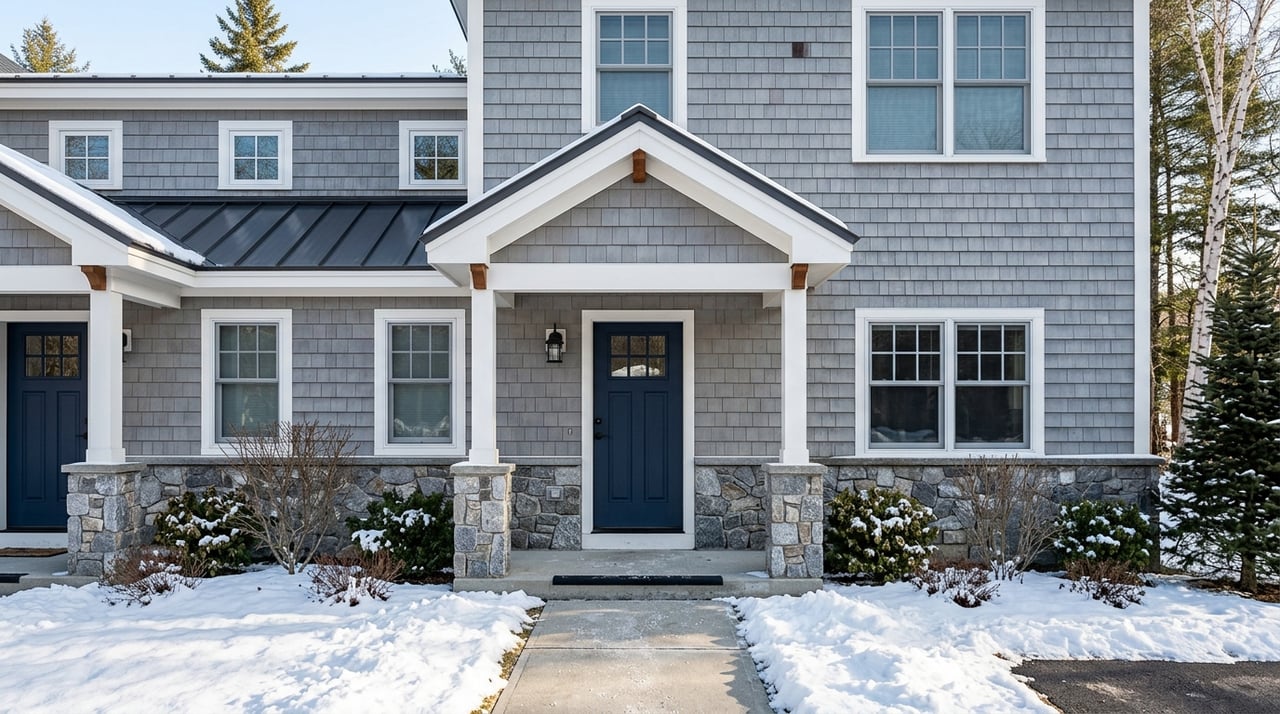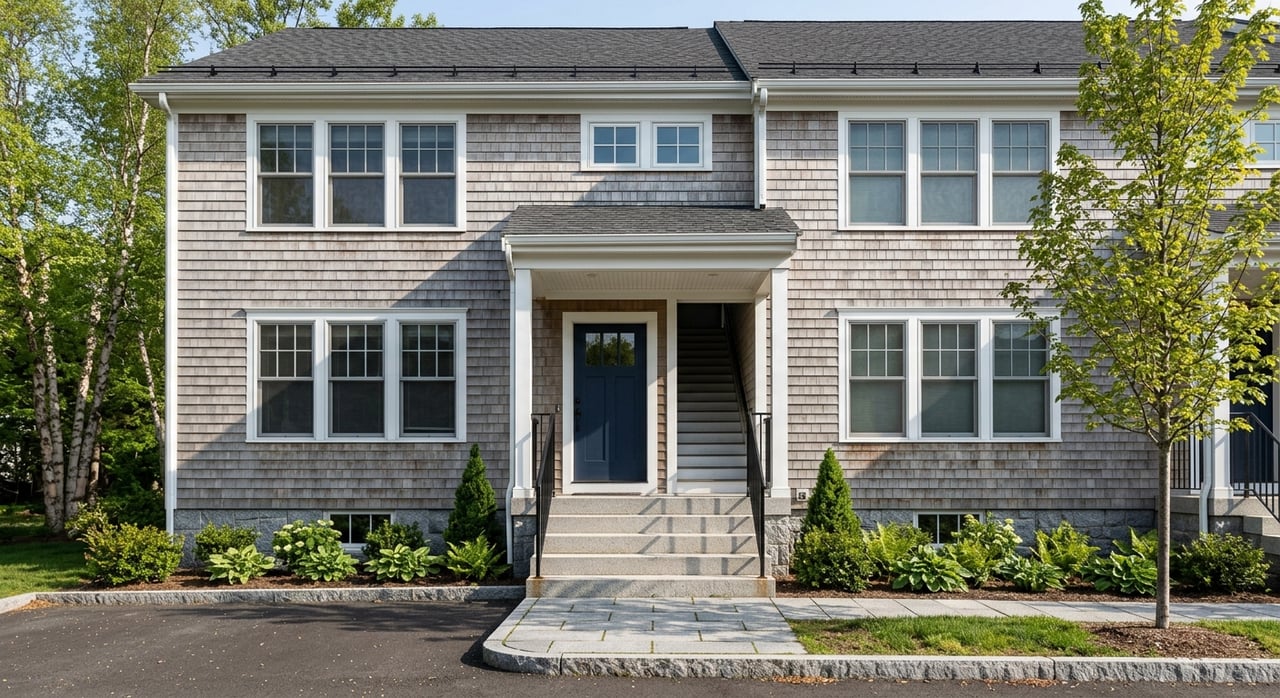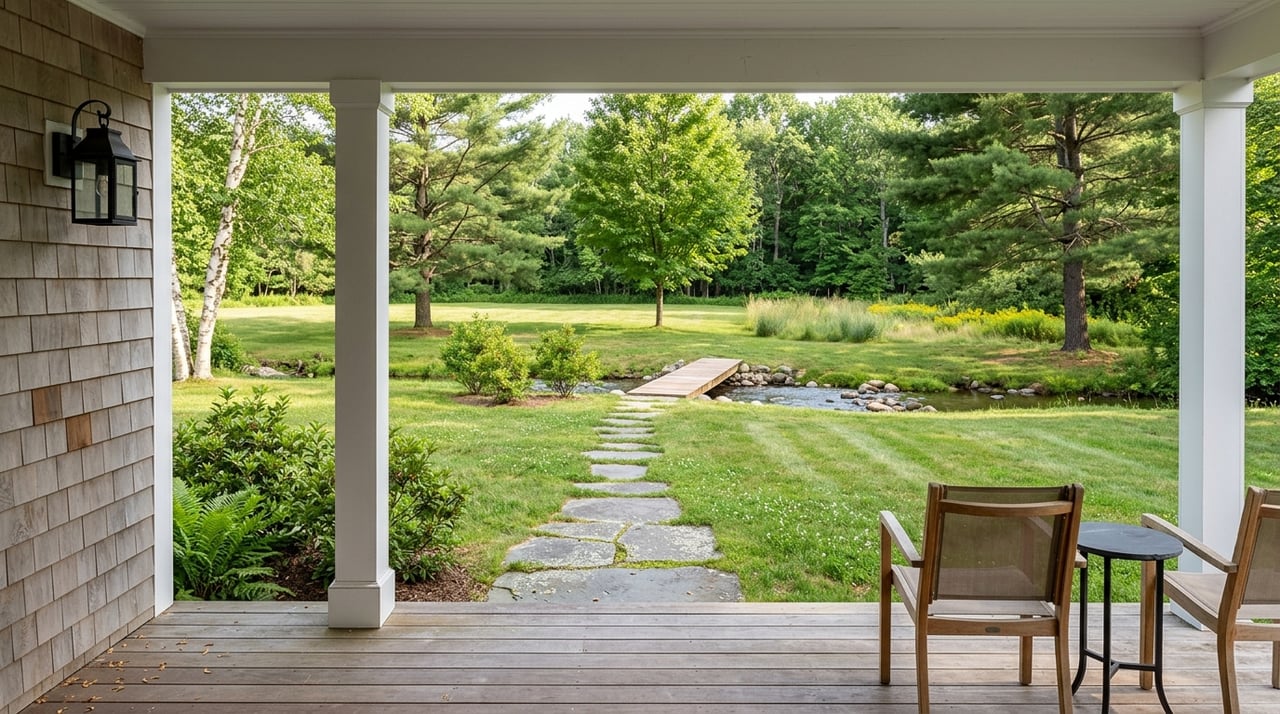
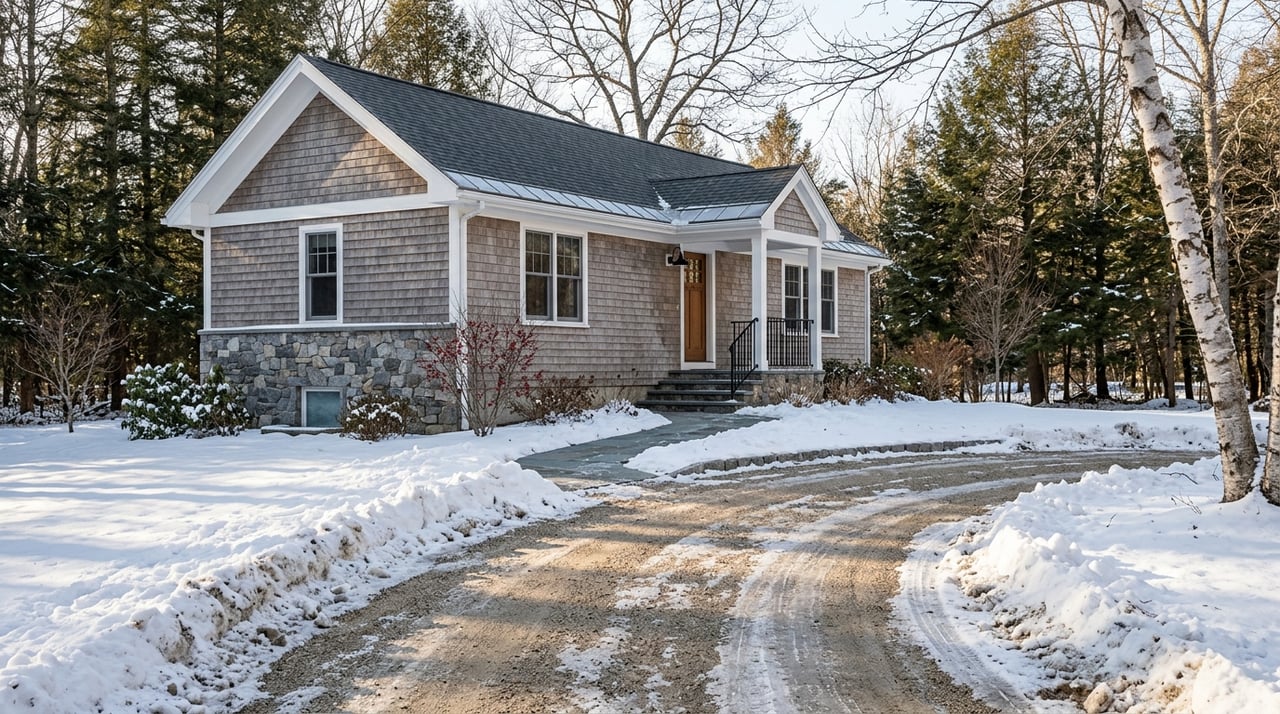
Dreaming about Jackson, NH usually starts with a feeling: do you want to be close to the heart of town, or tucked into the trees with more space around you? If you are shopping for a retreat here, that choice can shape your day-to-day life more than buyers first expect. The good news is that both settings can fit a mountain lifestyle, as long as you understand the trade-offs. Let’s dive in.
Village vs woods in Jackson
In Jackson, “village” and “woods” are not just casual descriptions. The town’s 2025 zoning ordinance divides Jackson into a Village District and a Rural-Residential District, with the Village District defined as land within 500 feet on either side of the traveled center line of public Route 16 and 16A, plus the land between those roads.
That matters because the town’s planning goals support preserving the central village core, maintaining village appearance, and avoiding sprawl and strip-style development. In practical terms, a home in or near the Village District may feel more connected to civic services and established town patterns, while a home deeper in the Rural-Residential setting may feel more private and spread out.
What village charm looks like
If you picture Jackson Village, you are likely picturing a setting where town functions and recreation sit relatively close together. Town offices are at 54 Main Street, and the public library is at 52 Main Street, which shows how civic services cluster in the village area.
That does not create a formal walkability score, but it does suggest that homes near the village may be better positioned for shorter trips to local services. If your ideal retreat includes being able to step out for a quick errand or enjoy a more connected town-center feel, that can be a meaningful advantage.
Village access to trails
Village living in Jackson can also mean proximity to established recreation. The Jackson Ski Touring Foundation trail map identifies the Jackson Village Trail, a 1.5-kilometer route, and marks village-area landmarks including the Jackson Town Library and Jackson Ski Touring Center.
For many buyers, that blend of village setting and nearby trail infrastructure is a big part of the appeal. You may be able to enjoy easier access to both town destinations and outdoor activity without needing to drive as far for every outing.
Trail access has limits
Still, proximity is not the same as unrestricted access. The trail system runs across land owned by private landowners, the Town of Jackson, and the White Mountain National Forest under a Recreational Special-Use Permit.
The trail maps also remind users to respect landowner privacy and not approach houses, barns, or livestock. So if trail access is high on your list, it is smart to confirm how a specific property connects to the system rather than assume every nearby path is open in the same way.
What secluded woods can offer
A wooded retreat often appeals to buyers who want more privacy, a larger buffer from neighbors, and a stronger sense of being immersed in the landscape. In Jackson, that can be a great fit for a second home, a quiet getaway, or a year-round property where the setting itself is part of the value.
At the same time, a more secluded setting often comes with more property-specific homework. The farther you get from the village core, the more important it becomes to understand roads, utilities, access, and ongoing maintenance.
Road upkeep matters
One of the biggest practical questions is simple: what kind of road serves the property? Jackson’s Road Agent is responsible for 35 miles of roadway, including grading, pothole repair, culverts, ditching, plowing, and sanding.
That sounds reassuring, but it applies to town-maintained roads. Jackson’s subdivision regulations state that the town has no obligation to maintain or repair private roads, and maintenance is instead borne by the subdivider, an owners’ association, or individual owners.
For a wooded property, this is one of the most important details to clarify early. A long private driveway or shared road can be part of the charm, but it can also mean added planning for plowing, repairs, and long-term upkeep.
Shared and private road questions
If a private road or driveway connects to a state road, the applicant must secure New Hampshire Department of Transportation approval and permits. The town also states that driveway culverts are the landowner’s responsibility.
New Hampshire law further notes that abutting owners generally share private-road maintenance equitably unless an express agreement says otherwise. In real life, that means you will want to review any road agreement, maintenance arrangement, or deed language carefully before you commit.
Utilities are not one-size-fits-all
Another key difference between village-adjacent homes and secluded wooded homes is utilities. The Jackson Water Precinct says its distribution area includes parts of Carter Notch Road, Black Mountain Road, Thorn Mountain and Switchback Road, Thorn Hill Road, and Dinsmore Road.
Outside the water distribution area, residents rely on individual or community wells, although some homes in the village area still use individual wells. So while buyers sometimes assume village equals public water and woods equals well, the actual answer is lot-specific.
Septic and water due diligence
The town building department says new and replacement septic systems must be reviewed by the town and then approved by the state. That makes water source and septic status important items to verify for any Jackson property, especially if you are comparing homes in very different settings.
For a retreat purchase, this is not just a paperwork issue. Utility setup can affect your comfort, maintenance expectations, and future planning, so it is worth understanding exactly what serves the property now and what may be needed later.
Current use and privacy
If you are drawn to land and wooded surroundings, you may also come across property connected to Jackson’s current-use program. The town describes current use as a State of New Hampshire program that preserves open space and conserves land, agricultural, and wildlife resources.
That context can make a wooded setting feel especially appealing, but one point is important: current use does not automatically open land to the public. If privacy is part of your goal, that is helpful to know, and if access is part of your goal, it is another reason to verify details property by property.
Which setting fits your lifestyle
The right choice usually comes down to how you want to use the property. If you want shorter trips to town services, a more traditional village feel, and potential proximity to established trails and landmarks, village-adjacent homes may fit you best.
If you want more separation, more natural buffering, and a setting that feels tucked away, the woods may be the better match. Just remember that extra privacy can come with extra responsibility, especially when roads, plowing, culverts, wells, or septic systems enter the picture.
Questions to ask before you choose
Whether you lean village or woods, a few smart questions can save you time and help you compare properties clearly.
- Is the property in or near the Village District, and how might that shape the setting?
- Is access from a town road, private road, shared road, or state-road connection?
- Who handles plowing, repairs, and culvert maintenance?
- Does the home have precinct water, a community well, or an individual well?
- What is the septic status, and are there records for system review or approval?
- Does trail proximity mean direct legal access, or are there private-land conditions to respect?
When you ask these questions early, you move beyond the photos and get a clearer picture of what ownership will actually feel like.
Jackson has room for both kinds of retreat. The village side offers connection, convenience, and classic town character, while the wooded side offers privacy, space, and a deeper sense of escape. If you want help sorting through the details of Jackson properties and matching them to how you plan to live, Ryan Mahan can help you search with a local, practical lens.
FAQs
What does the Village District mean in Jackson, NH?
- The Village District is defined in Jackson’s 2025 zoning ordinance as land within 500 feet on either side of public Route 16 and 16A, plus the land between those roads, and it reflects the town’s goal of preserving the central village core and its character.
Are Jackson, NH wooded homes harder to maintain?
- Some can be, especially if they are served by private roads or long driveways, because the town does not maintain private roads and landowners may be responsible for plowing, culverts, and repairs.
Do homes near Jackson Village have better trail access?
- Some do have proximity to established village-area trails, including the Jackson Village Trail, but access depends on the specific route and users still need to respect private land and posted use conditions.
Do all Jackson, NH village homes have public water?
- No. The Jackson Water Precinct serves parts of town, but some village-area homes still use individual wells, so water source should always be verified for the specific property.
What should you check before buying a secluded Jackson, NH retreat?
- Confirm road type and maintenance responsibility, water source, septic status, culvert responsibility, and whether nearby trails provide actual permitted access for that property.