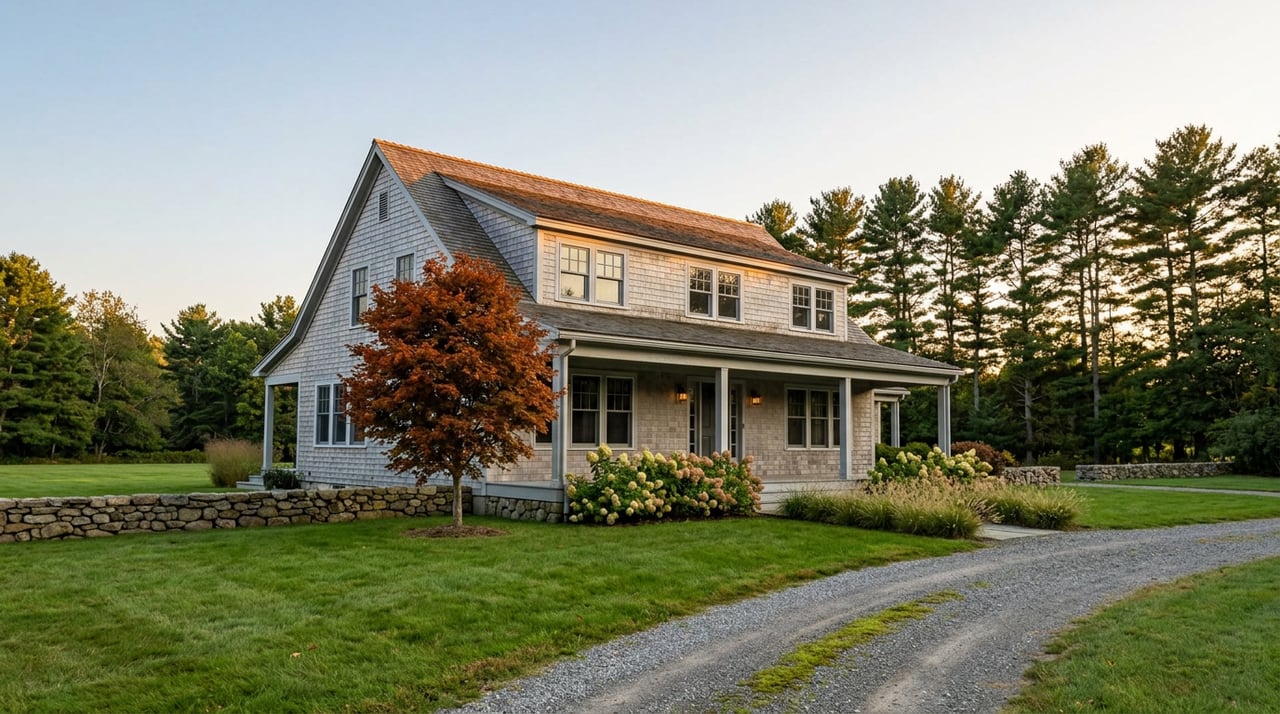
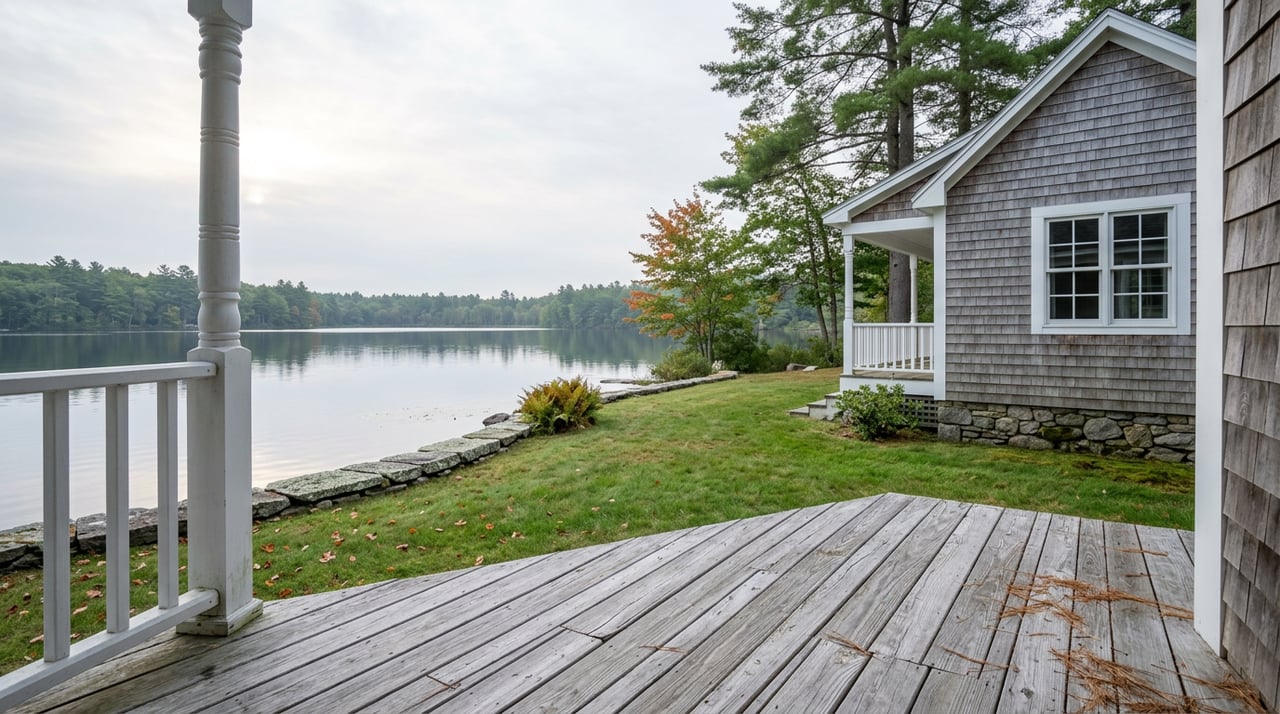
Picture the timeline. An offer on a camp along Conway Lake gets accepted in July. The buyer lines up financing, waives a few contingencies to stay competitive in a tight lake market, and starts picking out furniture. Three weeks before closing, the septic evaluator's report lands in the inbox. The system sits within 250 feet of the shoreline, it was approved before 1989, and the seasonal high water table check comes back showing failure. Now there's a five-figure repair, a 180-day compliance clock, and a closing date that suddenly feels optimistic.
That sequence would have looked very different two years ago. Before September 1, 2024, the seller was the one required to get a septic site assessment done, and that assessment happened before the property ever hit the market. Whatever the system's condition, it was baked into the listing before a buyer ever wrote an offer. New Hampshire's RSA 485-A:39, passed as House Bill 1113, moved that obligation to the buyer's side of the table, and the timing shift is the part that actually changes how a Conway Lake or Saco River deal plays out.
What the Law Actually Requires
The rule is narrower than most buyers assume, which is exactly why it catches people off guard when it does apply. It only kicks in for developed waterfront property where some part of the septic system sits within 250 feet of what the statute calls the reference line: the high-water mark of a lake or pond larger than 10 acres, coastal waters, or a river classified as fourth order or higher. Conway Lake and the Saco River both fall inside that definition for anyone buying along their shorelines.
When the rule applies, the buyer hires and pays for a New Hampshire-licensed septic evaluator before closing. If the existing system was approved before September 1, 1989, or was never approved by the state at all, the buyer also brings in a permitted septic system designer to check the effluent disposal area's elevation against the seasonal high water table. That second step is how the state determines whether an older system counts as failing under RSA 485-A, not just old.
None of this blocks a sale. A failing result doesn't kill the deal. It starts a clock: the buyer has 180 days from transfer to replace the system and file the paperwork with the New Hampshire Department of Environmental Services and the local health officer. Buyers who already plan to replace or repair the system within that window can skip the evaluation entirely, as long as they notify NHDES and the local health officer ahead of the transfer. And a buyer can accept a seller's own evaluation instead of ordering a new one, but only if it was completed within 180 days of closing and the buyer signs off on it in writing.
Why the Flip Matters More Here Than Most Towns
Conway Lake spans roughly 1,316 acres across the towns of Conway and Eaton, making it the largest water body in the Mt. Washington Valley, and it sits inside the Saco River watershed. The Saco itself runs 40 miles from Crawford Notch State Park to the Maine border, dropping about 1,500 feet in elevation along the way, with roughly 80 percent of its watershed inside the White Mountain National Forest. Between the two, a meaningful share of Conway's waterfront inventory sits inside that 250-foot band.
That inventory also tends to be old. Lake and river camps in this part of New Hampshire were often built as seasonal structures decades before anyone thought about septic permitting, which means a lot of them predate the 1989 approval cutoff written into the law. On a typical inland resale, an outdated septic system is a negotiating point. On a Conway Lake or Saco River camp, it can trigger the full evaluator-plus-designer process, and that process now runs on the buyer's clock instead of the seller's.
Before 2024, a seller who wanted to list a lake camp had to find out what they were selling before they listed it. Today, a seller can list without ever ordering an evaluation, because the law no longer asks them to. That's not evasion. It's simply how the statute is written. The condition of the system stays uncertain until a buyer is already under contract and paying for the answer themselves.
The Bedroom Count Hiding in the Septic Design
Here's the detail that surprises even experienced buyers: in New Hampshire, the approved septic design is what legally sets a home's bedroom count, not the number of rooms with doors and closets. A camp marketed as a four-bedroom property might carry a septic approval for only two or three bedrooms, which affects appraised value, financing, and what you're allowed to build if you ever want to add a room.
That detail matters most on exactly the kind of older, waterfront properties this law targets. A pre-1989 system evaluated as part of a 250-foot transaction isn't just being checked for function. The designer's report can also surface a bedroom mismatch that has nothing to do with whether the tank still works and everything to do with what the state will let you finance or expand later.
What a Smart Seller Does Differently Now
The law removed the seller's obligation, but it didn't remove the seller's advantage in choosing to act anyway. A seller who commissions their own evaluation before listing, using a state-licensed evaluator, and keeps that report inside the 180-day window at the point of sale, can hand it to a buyer on day one instead of making them discover the system's condition three weeks before closing. That single move shortens a buyer's due diligence timeline, reduces the odds of a late-stage renegotiation, and removes the financing risk that comes with government-backed loans, since FHA, VA, USDA, and NH Housing loans generally require a passing septic inspection before they'll fund.
In a market where Conway Lake listings are already scarce, buyer's agents note that lake and land listings there rarely sit unsold for long. A seller who removes the septic unknown before a buyer even tours the property is offering something the market doesn't usually get on legacy waterfront camps: certainty, at a moment when certainty is worth real money.
If You're Under Contract on Waterfront Property, Check This First
- Ask whether any part of the septic system sits within 250 feet of the water's edge. If it does, the evaluation requirement applies to you as the buyer.
- Find out when the system was approved. Pre-1989 or never-approved systems require the extra designer assessment against the seasonal high water table.
- If the seller already has an evaluation, confirm the date. You can only rely on it if it's less than 180 days old at closing, and you'll need to acknowledge accepting it in writing.
- Build a septic contingency into your purchase and sale agreement before you sign, not after the report comes back. A failing result gives you room to renegotiate price, request a credit, or ask the seller to fix it first.
- Budget for the possibility of full replacement. Costs vary widely with soil, terrain, and system type, but replacement on a Valley waterfront lot can run well into five figures.
Frequently Asked Questions
Does this apply to a small pond, or just big lakes like Conway Lake? The 250-foot rule only applies to lakes or ponds larger than 10 acres, coastal waters, and rivers classified as fourth order or higher. A small backyard pond typically doesn't trigger it.
I'm paying cash. Do I still need the evaluation? Yes. The requirement is tied to the property's location relative to the water, not to how the purchase is financed. Cash buyers skip the lender's inspection requirement, but not this state law.
What if I'm planning to tear out the septic system anyway? You can skip the evaluation if you notify NHDES and the local health officer that you intend to replace or repair the system within 180 days of closing, then follow through and file the state approval for the new system within that window.
Buying or selling waterfront property along Conway Lake or the Saco River involves more moving pieces than a standard resale, and the septic timeline is one that's easy to underestimate until you're three weeks from closing. If you want a clear read on how this applies to a specific property, or you're weighing whether to get ahead of it before you list, Saco Valley Real Estate can walk through it with you.
Start Your Local Search with a broker who knows what a 250-foot line actually means on this stretch of the valley.