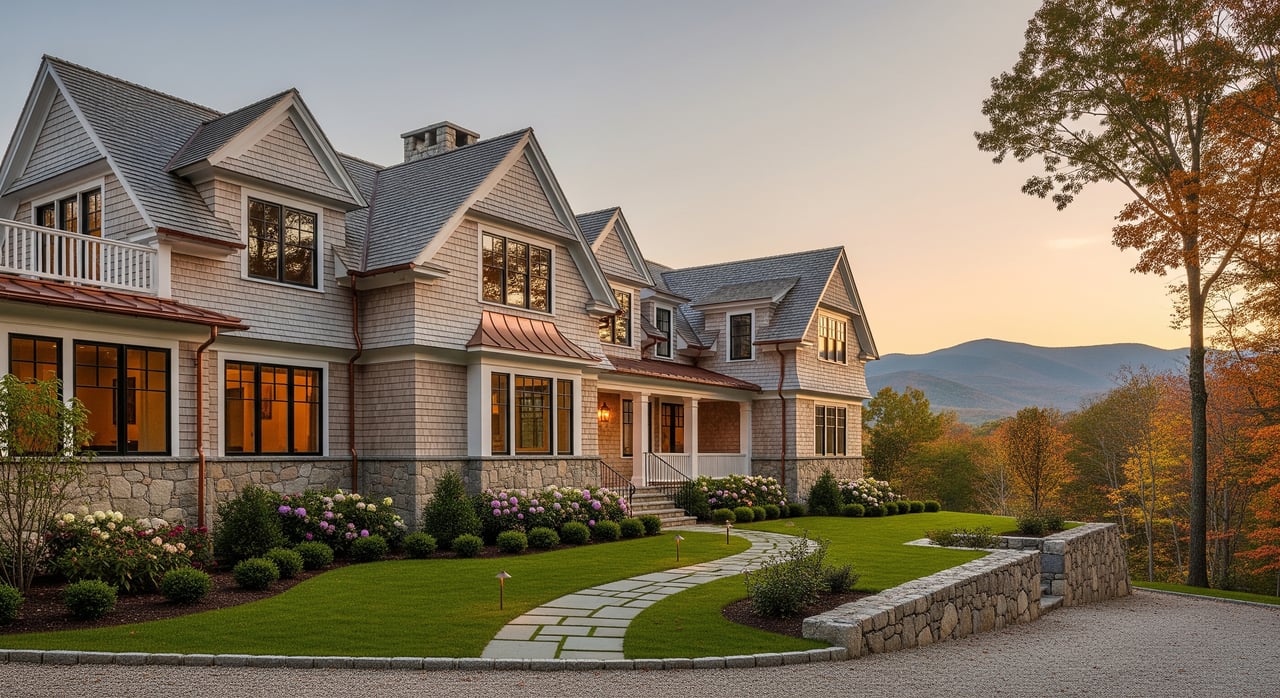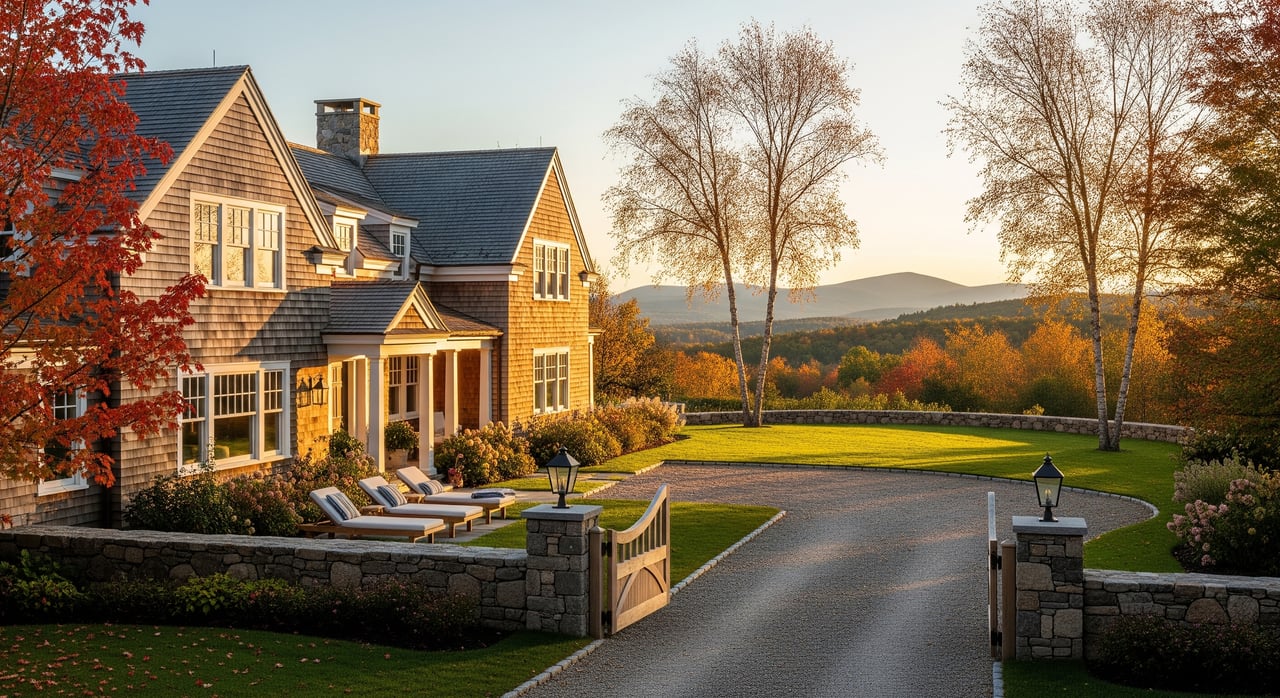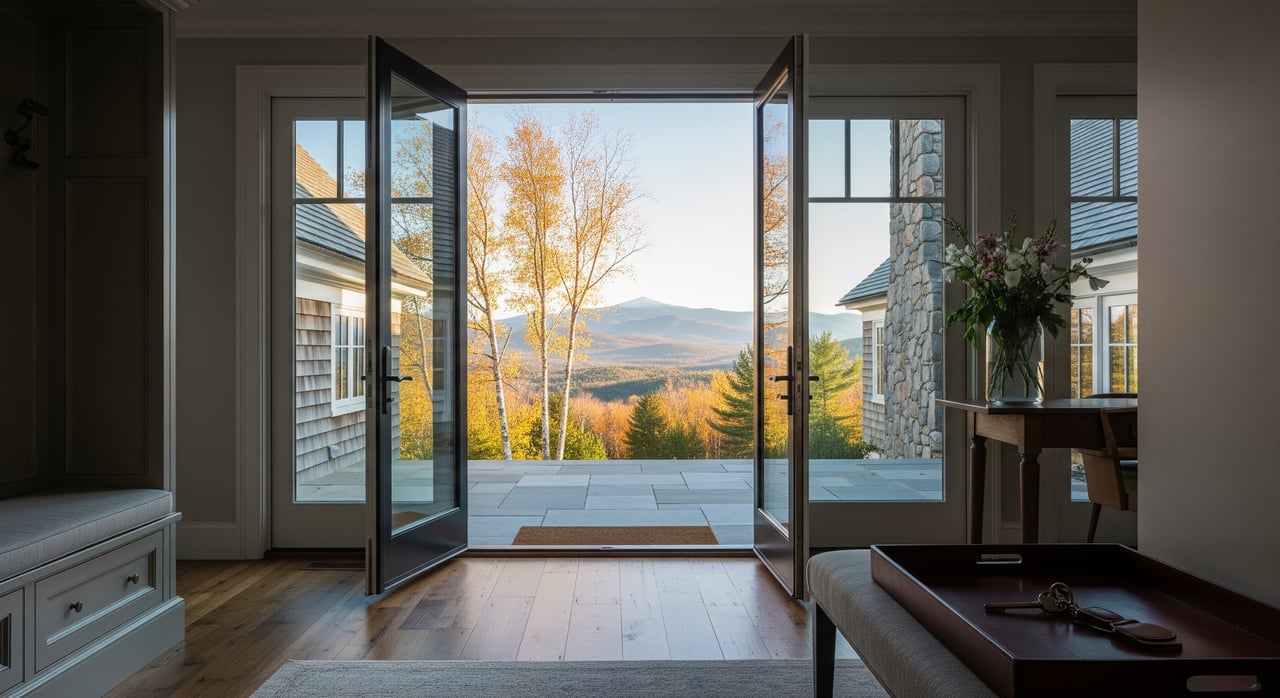
Thinking about buying a place in Bartlett and offsetting costs with short-term rental income? You are not alone. The Mount Washington Valley draws visitors year-round, but success with a rental takes careful planning. In this guide, you will learn how to evaluate demand, verify rules, assess a property’s fit, and model the numbers so you can move forward with confidence. Let’s dive in.
Why Bartlett attracts short-term renters
Bartlett sits in the Mount Washington Valley with easy access to skiing, hiking, rivers, and scenic drives. Winter sports, summer trails and waterways, and fall foliage create steady interest from visitors. Properties close to ski areas, trailheads, or scenic viewpoints tend to command stronger rates and book faster during peak seasons.
If you value reliable demand, focus on proximity. Homes within a short drive to ski lifts or popular trailheads often see higher average daily rates and better occupancy during winter and foliage weekends. Convenience matters for families and small groups trying to maximize time on the mountain or trail.
Seasonality you should model
Expect two clear peaks. Winter usually runs from late November through March or April with heavy weekend and holiday demand. Fall foliage in September and October also brings strong weekend bookings.
Shoulder seasons can be quiet, especially late spring and late fall. Summer demand is moderate and depends on the property type and location. Weekday occupancy tends to trail weekends most of the year, so plan pricing and minimum-night settings accordingly.
Who your guests will be
Most travelers are families and small groups on ski or mountain getaways. During holidays and winter breaks, you may see multi-family groups that look for larger homes with multiple bedrooms and good parking.
Weekend visitors are common in foliage season and during summer. Longer stays are less frequent and depend on pricing, comfort, and amenities. Strong Wi-Fi and a functional workspace can help capture occasional weeklong visits in the off-season.
Know the rules before you buy
Understanding local and community rules is step one. Policies change, so always confirm with the right offices and request written documentation.
Town-level regulations and permits
Check whether Bartlett requires short-term rental registration or licensing. Some New Hampshire towns ask for operator registration, safety inspections, occupancy limits, and parking rules. Contact the Bartlett Town Clerk, Building Inspector or Code Enforcement Officer, Zoning Administrator, Planning Board, and the Bartlett Fire Department for life-safety requirements.
Ask for written copies of any current STR ordinance or administrative policy, the zoning regulations for the property’s district, the building permit history, and any occupancy classifications.
HOA and condo restrictions
If the home is in an HOA or condo, review the declaration and bylaws for rental rules. Look for minimum-night requirements, rental caps, registration steps, parking policies, and the fine schedule. Read recent HOA meeting minutes to spot enforcement trends. Ask the HOA for written confirmation of current rules and any pending changes.
Taxes and reporting
New Hampshire applies rooms and meals taxes at the state level. Confirm current rates and registration steps with the New Hampshire Department of Revenue Administration. Ask whether booking platforms collect and remit on your behalf or if you must register and remit directly.
Septic, well, and environmental items
For private septic systems, verify the permitted occupancy based on the system’s design. Request inspection and pump records and confirm whether any New Hampshire Department of Environmental Services rules affect rental use. For private wells, consider water quality and capacity for frequent turnover.
Insurance and liability
Not all homeowner policies cover STR activity. Ask your insurance broker about appropriate coverage or endorsements, required safety features, liability limits, and any exclusions. Plan for winter risk management that includes snow and ice hazard mitigation.
Property fit and winter access
The best revenue model will not fix a home that is tough to reach in a storm. In Bartlett, winter access can make or break your calendar.
- Parking and access. Count off-street spaces and match them to your expected guest count. Check for street or private road restrictions and snow-plow access.
- Driveway conditions. Steep or icy driveways can limit winter bookings. A gentler grade with regular sanding is easier for guests.
- Winter readiness. Confirm a reliable heating system, insulated pipes, and a snow removal plan that prioritizes guest arrivals and departures.
- Guest flow and safety. Ensure proper egress, safe stairs and railings, and clear lighting.
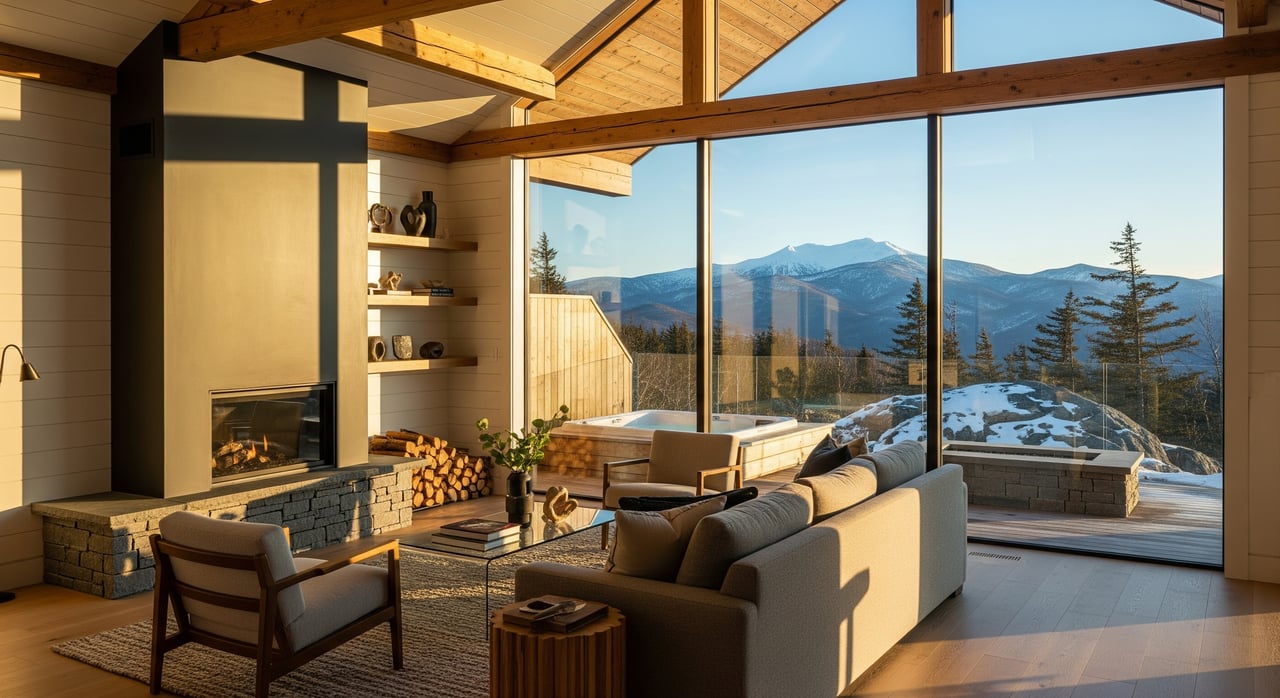
- Amenities that matter. A functional kitchen, adequate bathrooms, in-unit laundry, and strong Wi-Fi are baseline expectations. A hot tub or sauna can justify a premium if you manage safety, maintenance, and insurance responsibly.
Road and snow maintenance
Find out who maintains the road. Town-plowed roads usually have predictable service. Private roads or associations can mean added costs and coordination. Ask how often plowing and sanding occurs, how quickly service mobilizes after storms, and who pays for it. Set guest expectations with clear parking and access instructions.
Vendors and on-the-ground support
You will need reliable local help, especially on busy winter weekends.
- Cleaning and turnover. Seek cleaners experienced with STR timelines. Confirm backup options for peak periods.
- Linens and supplies. Decide whether you will manage linens or use a service.
- Snow removal. Secure a contractor for driveways and walkways with priority storm service.
- Maintenance and utilities. Line up a handyman, HVAC or propane supplier, septic service, pest control, and a locksmith.
Ask each vendor about peak-season response times and weekend availability. A short list of backups can save a booking during a storm.
Choose your operations model
Pick an approach that matches your distance from Bartlett, your time, and your budget.
- Self-managed. Lower fees but requires quick vendor coordination and availability for emergencies.
- Local property manager. Higher cost but helpful for absentee owners or larger properties. Fees vary by company and service level.
- Hybrid. Handle bookings yourself in off-peak months and use a manager during peak periods or for maintenance support.
Run the numbers: metrics that matter
Ground your decisions in a realistic financial model that reflects Bartlett’s seasonality.
- Average Daily Rate. Your average nightly price by season.
- Occupancy Rate. The percent of nights booked each month and year.
- RevPAR. Revenue per available rental night equals ADR multiplied by occupancy.
Build a full expense picture. Include cleaning, utilities, property management, supplies, platform fees, marketing, insurance, snow removal, repairs, and septic servicing. Add state rooms and meals taxes and any local lodging taxes, plus income tax reporting. Budget for capital expenses like appliance replacement, furnishing refreshes, and weatherization.
Model conservative, expected, and optimistic scenarios using seasonal ADR and occupancy. Calculate your break-even occupancy and the payback period for your initial setup. Pay close attention to shoulder-season performance since winter and foliage cannot carry every month.
How to evaluate a Bartlett STR step-by-step
Use this framework when touring homes or preparing an offer.
- Preliminary market scan
- Pull 12 to 24 months of local STR data for Bartlett or the nearest ZIP. List active and recently booked comps that match on size, location, and amenities.
- Verify legal and HOA constraints
- Contact Bartlett town offices for written policies on STRs and zoning. If applicable, obtain HOA declarations and a written statement on rental rules and any pending changes.
- On-site physical assessment
- Count parking, note driveway slope, and confirm road maintenance responsibility. Check heating systems, water source, septic capacity and records, and Wi-Fi or cell signal. Document smoke and CO detectors, egress, and handrails.
- Vendor and operations check
- Identify at least two cleaners, a snow removal contractor, and a reliable handyman. Request quotes and typical response time windows for winter weekends.
- Financial modeling
- Build a 12-month pro forma with conservative, expected, and optimistic scenarios. Include recurring and startup costs. Compute break-even occupancy.
- Insurance and safety
- Obtain quotes for STR coverage or endorsements. Confirm liability limits and any requirements for amenities like hot tubs.
- Marketing and booking strategy
- Decide on minimum nights, cleaning fees, security deposits, and platform approach. Draft a guest manual and an emergency communication plan.
- Final compliance steps
- Complete any town registrations or permits. Register with the state for rooms and meals tax if required. If in an HOA, complete any rental registrations.
Red flags to catch early
- Unclear or changing town policy with no written guidance from offices.
- HOA rules that restrict rentals or board discussions about tighter limits in recent minutes.
- Steep or unpaved driveway without a firm snow and sanding plan.
- Private road with uncertain or underfunded winter maintenance.
- Septic system sized for fewer occupants than your target guest count.
- Vendor shortages during peak periods with no backups in place.
- Insurance exclusions for STR use or for specific amenities.
How Saco Valley Real Estate helps
You deserve a clear, local roadmap before you invest. Saco Valley Real Estate is an owner-operated brokerage focused on the Mount Washington Valley and western Maine with deep, place-based knowledge. We pair educator-style guidance with practical tools so you can make a confident decision.
Here is how we support you in Bartlett:
- Clarify neighborhoods and distances to lifts, trailheads, and scenic corridors so you target the right micro-locations.
- Provide market context and relevant property comparisons to inform pricing and demand expectations.
- Help you structure due diligence, including document requests, town contacts, and inspection coordination.
- Connect you with local professionals for the items you will need to verify or service during ownership.
If you are exploring a second home with rental potential, reach out for a thoughtful, no-pressure conversation. Start with your goals, and we will map a plan that fits your budget and timeline.
Ready to take the next step? Contact Ryan Mahan to start your local search.
FAQs
Is short-term renting allowed in Bartlett, NH?
- Policies can change; verify directly with Bartlett town offices and request written confirmation of any registration, zoning, and safety requirements.
When does Bartlett see peak STR demand?
- Winter ski season and fall foliage weekends drive the strongest demand; shoulder seasons are typically slower.
Which property features boost winter bookings in Bartlett?
- Close proximity to ski areas, safe winter access and parking, reliable heat, and a solid snow removal plan matter most.
How do HOA rules affect condo rentals in Bartlett?
- HOAs may set minimum-night stays, guest caps, rental caps, parking rules, and fines; obtain written confirmation and review recent minutes.
What taxes apply to New Hampshire short-term rentals?
- New Hampshire rooms and meals taxes likely apply; confirm rates, registration, and remittance with the state and ask about platform collection.
What is a practical way to forecast revenue for a Bartlett STR?
- Combine STR analytics for ADR and occupancy with local comps, then model conservative, expected, and optimistic scenarios across seasons.
What should I do before accepting my first booking?
- Complete all required registrations, confirm insurance coverage, finalize vendor contracts, and prepare a guest manual and emergency plan.