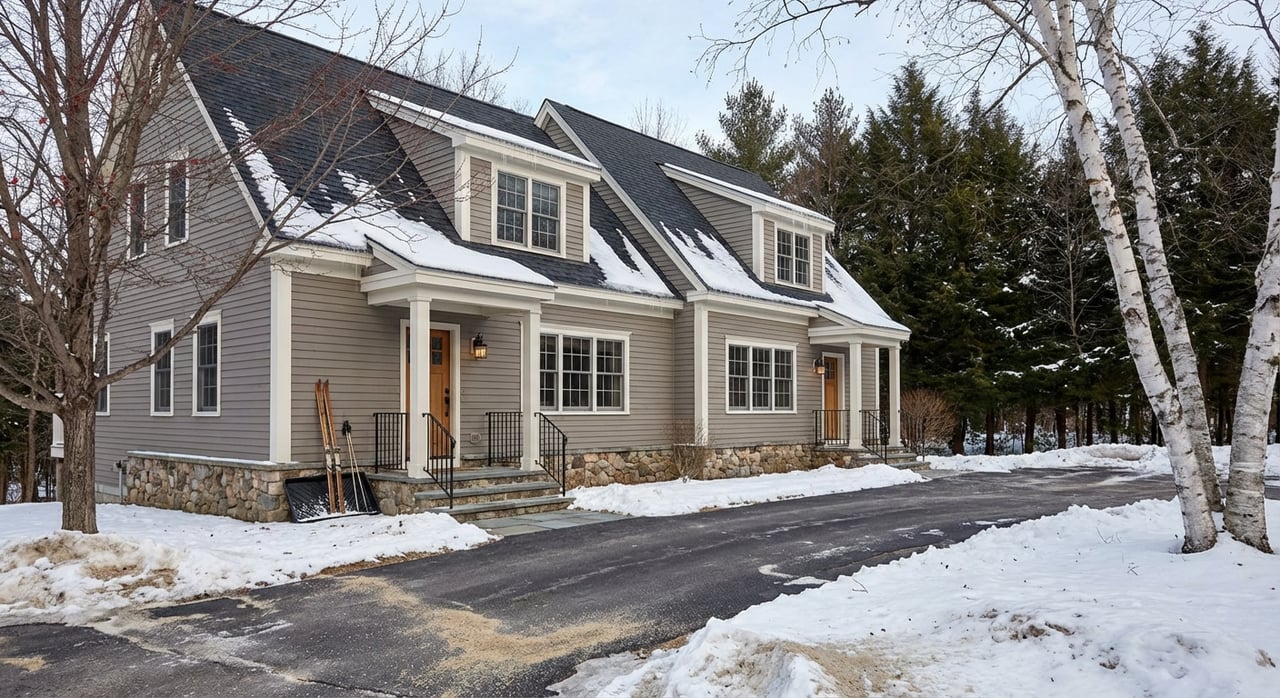

Thinking about listing your Conway home in the next few months, but not sure where to price it? You’re not alone. In a market shaped by tourism, second homes, and seasonal swings, smart pricing starts with a local plan, not a guess. In this guide, you’ll learn what a Comparative Market Analysis (CMA) includes, the Conway-specific factors that move price, and how to align your list strategy with your timeline. Let’s dive in.
What a local CMA includes
A CMA is a locally prepared analysis that estimates a realistic list price by comparing your home to recent sales, active and pending listings, and even expired listings. It is not an appraisal. It is a practical, evidence-backed tool to position your home for the market you’re actually entering.
A professional CMA should include:
- A clear subject property summary. You’ll see basics like beds/baths, finished square feet, lot size, year built, systems, and notable features like views, water access, ski proximity, or a garage.
- Comparable sales from the last 3–6 months where available, adjusted for differences that matter.
- Active and pending listings to show current competition and buyer demand.
- Expired or withdrawn listings to highlight price levels buyers recently rejected.
- Price-per-unit metrics. You’ll see price per square foot and, for larger parcels, price per acre, with guidance on when those figures can mislead for unique homes.
- Market context. Typical days on market, inventory feel, and trend direction help you calibrate expectations.
- Adjustments and rationale. A good CMA documents how condition, upgrades, lot attributes, heating systems, septic or well status, and seasonal access affect value.
- A seller net sheet. You’ll see estimated closing costs and an outline of potential net proceeds based on different list prices.
- A recommended list price range and strategy options tied to your goals.
Why local beats automated estimates
Online estimates use broad algorithms and public records. They rarely capture Mount Washington Valley realities like tourism seasonality, view or water premiums, private road agreements, or the actual interior condition of your home. A local CMA integrates on-the-ground knowledge and your goals, then adjusts for town- and neighborhood-level factors you can’t automate.
Conway factors that shape price
Pricing in Conway and the surrounding Mount Washington Valley is not one-size-fits-all. These local dynamics often drive value.
Seasonality and tourism
Visitor patterns are strong here. Late fall and winter often bring more interest to ski-proximate properties, while late spring and summer favor lake access, hiking, and family moves. Seasonality can shift days on market and offer strength, so timing your launch matters.
Home type and location
The area includes year-round homes, vacation condos near village centers, rural acreage, and riverfront cottages. Price drivers differ by segment, so the best comps for a village condo won’t match a wooded, multi-acre single-family or a Saco River camp.
Second homes and short-term rentals
A mix of second homes and short-term rentals can affect demand and price volatility. Properties with rental history or proximity to ski and lake amenities may command premiums. Local zoning and HOA rules can limit rental use, so clear disclosure protects value and buyer confidence.
Road access and winter realities
Year-round access, private road agreements, and snow and ice conditions influence buyer perceptions. If a property has private road dues or challenging winter access, your CMA should reflect that in adjustments and in your disclosure plan.
Waterfront and flood risk
Proximity to the Saco River or local lakes is a major draw. It can also bring flood zone considerations that affect insurability and financing. Verifying flood maps and any local floodplain regulations helps set the right price and avoid surprises later.
Septic, well, and utilities
Many homes rely on on-site septic systems and private wells. Capacity, age, and available records can materially affect value. Heating systems and fuel type also matter, especially for cost-conscious buyers comparing oil, propane, wood, or electric options.
Property taxes and assessments
New Hampshire has no state income tax, but property taxes vary by town. Buyers evaluate overall carrying costs, so the current assessment and tax bill are important context when pricing.
Inventory and market speed
Inventory and days on market vary by season and property type. Ski-area condos may move more quickly in peak season, while rural acreage can take longer to find the right buyer. Your CMA will use current actives and pendings to read the competition.
Build your pricing plan for 3–6 months
A good plan meets you where you are. Here’s how a local, stepwise process aligns pricing with your timeline and goals.
1) Property intake and walkthrough
You’ll gather details on recent improvements, utility costs, tax records, deed and lot configuration, and any rental history or permits. A walkthrough captures condition and feature highlights that the data alone cannot show.
2) Market reconnaissance
Your agent will pull closed sales, actives, and pendings from the MLS, then scan expired and withdrawn listings to understand price ceilings and pitfalls. They will also flag unique constraints like private roads, septic or well records, conservation easements, and any flood zone indicators.
3) Select and adjust comps
The best comps closely match your home’s type, size, bed and bath count, and location context such as village, rural, or ski-adjacent. Adjustments will reflect finish level, renovations, view or water frontage, acreage, garage or outbuildings, heating upgrades, and system condition.
4) Choose a pricing scenario
- Market-value strategy. List at a price aligned with current demand to attract solid offers within the season’s typical pace.
- Aggressive-proceeds strategy. Aim for the upper range with targeted prep and marketing. You may see a longer timeline if the market softens.
- Time-sensitive strategy. List slightly below market to spark strong interest and faster activity.
Each scenario should include a projected days-on-market range based on current conditions, a seller net sheet, and prep steps to support the plan.
5) Pre-list prep and timing
Your agent will prioritize cost-effective repairs and staging, and may recommend pre-listing inspections if system records are unknown. Listing windows are matched to your property: spring and summer are strong for families and second-home buyers seeking summer use, while late fall and winter can be prime for ski-focused properties.
6) Launch and active management
Your listing should have professional photography and floor plans, MLS syndication, and targeted outreach. Showing feedback and early activity guide quick adjustments. A fresh CMA every 2–4 weeks keeps you aligned with new comps, rate changes, and meaningful shifts in demand.
When to list in Conway
Timing depends on your property and goals.
- If you want maximum visibility for lake and hiking season, a late spring launch can align with peak interest.
- If your home appeals to winter sports buyers, a late fall or early winter launch can meet those shoppers when they are most active.
- If speed is your priority, list when the competition is thin and your home shows best, even if that means adjusting for season.
The right window balances buyer demand with your readiness and the property’s strengths.
Seller checklist: 3–6 months out
A simple checklist keeps you on track without overwhelm.
3–6 months before listing
- Meet with your agent for an initial CMA and goal-setting.
- Order inspections where records are unknown, especially septic and well. Consider roof or chimney checks when relevant.
- Start larger repairs or updates that support your target price, such as system work or heating upgrades as advised.
- Gather title documents, tax bills, warranties, and receipts for renovations.
4–8 weeks before listing
- Complete staging and decluttering. Schedule professional photography and floor plans.
- Decide whether a pre-listing appraisal adds value for your situation.
- Prepare a buyer info packet with utility costs, HOA documents if applicable, and nearby amenity information.
Listing week
- Confirm your list price and strategy scenario.
- Launch across the MLS and appropriate channels.
- Prepare for showings and open-house opportunities, including flexible times to accommodate out-of-area buyers.
What you receive in a CMA package
Expect a clear, documented plan you can act on.
- A printed or digital CMA with maps and photos.
- A comparables table covering closed, active, pending, and expired listings.
- An adjustment worksheet that explains the “why” behind the numbers.
- A suggested list price range with strategy options.
- Recommended repairs and staging priorities.
- An estimated seller net sheet.
- A marketing plan and timeline matched to your goals.
How pricing is updated during your listing
Pricing is not set-and-forget. Your agent should:
- Monitor showings, feedback, and early offers relative to expectations.
- Track new listings, pendings, and closed sales nearby.
- Re-run the CMA every 2–4 weeks or after notable market changes.
- Propose tactical price adjustments only when the data supports them, and explain the expected impact on activity.
Your next step
If you plan to sell in 3–6 months, the best move you can make today is a local CMA. You will understand your likely price range, the prep that pays off, and the timing that fits your goals. That clarity helps you move forward with confidence.
Ready to start a conversation about your home in Conway or the surrounding Valley? Reach out to Ryan Mahan for a local CMA and a clear pricing plan.
FAQs
What is a CMA for Conway sellers?
- A CMA is a local analysis that compares your home to recent sales, actives, pendings, and expireds to estimate a realistic list price and strategy for the current market.
How accurate is a CMA versus online estimates?
- A well-prepared local CMA is typically more accurate because it accounts for condition, seasonality, amenities, and local factors like septic, wells, and flood considerations that algorithms miss.
How far back should Conway comps go?
- In a stable market, look 3–6 months back for closed sales, and extend the timeframe when activity is slower or the property type is unique.
What if there are few good comps near me?
- Use the best available nearby matches plus active and pending competition, and document key adjustments and any limitations in the CMA.
Should I get septic or well inspections before listing?
- If records are unknown or systems are older, pre-list inspections can reduce surprises, speed up closing, and improve buyer confidence.
How does pricing affect buyer perception?
- Overpricing often leads to longer days on market and reductions, while slight underpricing can speed activity; choose the approach that aligns with your goals.
How often should we update pricing during the listing?
- Re-run the CMA every 2–4 weeks or after meaningful market events, then consider price adjustments if the new data shows a clear need.