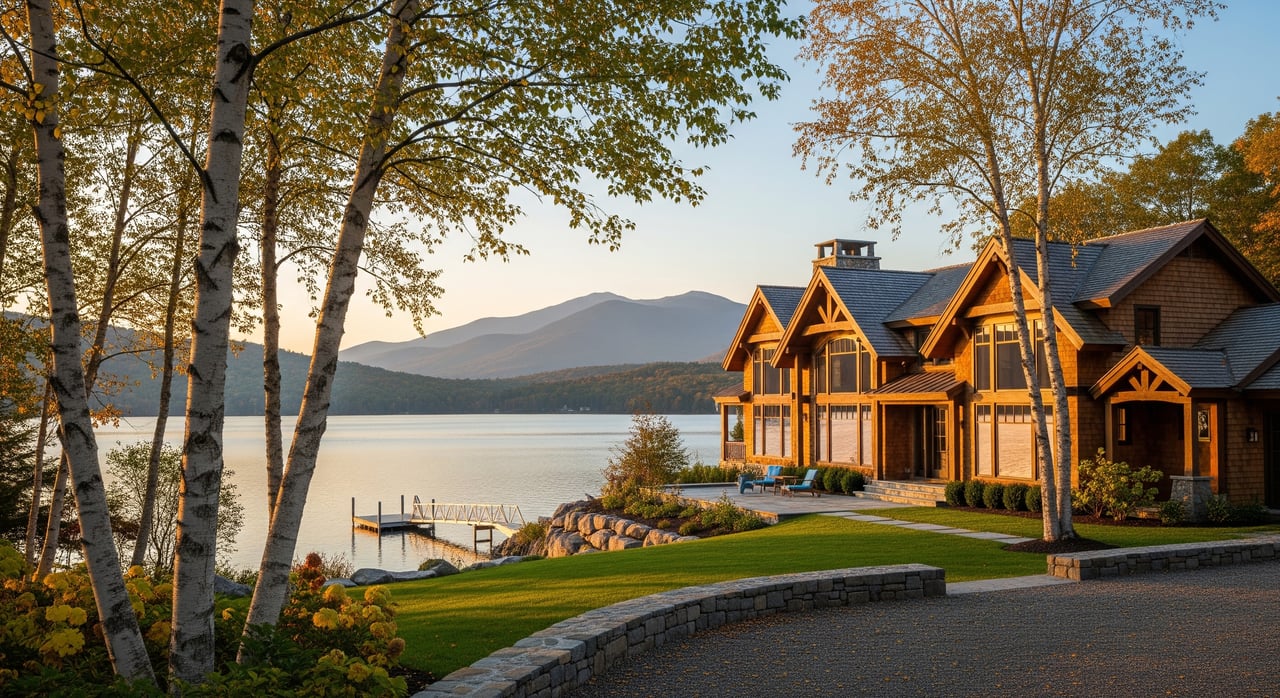
Thinking about a move to Conway, NH? You are not alone. Many people come for the mountains, rivers, and four-season fun, then stay for the small-town pace and strong sense of place. If you want year-round living with easy access to outdoor adventure, this guide will help you understand neighborhoods, daily life, and what to check before you buy. Let’s dive in.
Conway at a glance
Conway is the primary town in the Mount Washington Valley. It anchors a region known for mountain recreation, outlet shopping, and a steady flow of visitors in winter and fall. You will find a year-round community alongside a seasonal economy that supports tourism, hospitality, retail, and outdoor services.
The town includes several villages with different lifestyles. North Conway is the busy commercial hub, while Conway Village and Center Conway feel more residential. Outlying areas lean rural with more privacy and space.
Neighborhoods and villages
Conway is one town with distinct village centers. Each has its own feel, access, and housing mix. Here is how they compare.
North Conway
North Conway is the commercial and visitor center. It offers outlet shopping, restaurants, and quick access to Cranmore Mountain. Housing includes single-family homes, condos, and a noticeable number of vacation properties and short-term rentals. Expect higher activity levels year-round, with the most traffic during ski season and foliage.
Conway Village and Center Conway
Conway Village is the historic center with a mix of homes and small businesses. Center Conway leans quieter and more residential. If you want everyday amenities nearby and residential streets with a bit less bustle than North Conway, these areas often fit well.
East Conway and rural pockets
East Conway and the outlying roads feel more rural. You may find larger parcels, longer driveways, and homes with private wells and septic systems. The tradeoff is usually more space and privacy balanced with longer winter drives and personal responsibility for utilities and snow management.
Condos, townhomes, and seasonal cottages
You will see condominiums and townhouses clustered in and around North Conway and near ski areas. These can be a good fit if you want lower-maintenance living. Seasonal cottages and camp-style homes appear near rivers and ponds across the town, so always confirm year-round utility setup if that is your goal.
Housing market basics
The housing mix includes older in-town homes, newer subdivisions in outlying areas, condos, seasonal cottages, and some new construction. Properties near North Conway, ski areas, water access, or with mountain views often command price premiums. Rural locations may offer more value per acre but bring different upkeep and driving patterns.
North Conway has a strong second-home and short-term rental presence. This influences inventory and pricing. If you plan to buy a property with rental potential, review local rules before you make an offer. Market specifics like median price and time on market change quickly, so ask for current data when you are ready.
Schools and childcare
Public schools serve Conway and the broader valley, including a regional high school option. Kennett High School serves much of the Mount Washington Valley region. Program offerings and school performance can change over time, so confirm current school assignments and bus routes by address.
Childcare and preschool options exist through private providers, family childcare, and school-based programs. In rural New Hampshire, waitlists can be common. If you have young children, start your search early and keep a working list of backup options.
Healthcare and essential services
You will find primary care and urgent care options in the valley. For specialty or major tertiary care, residents often travel to larger regional hospitals in nearby cities or to systems in Portland, Maine, or the Dartmouth–Hitchcock network. It helps to map your routine care, urgent care, and preferred hospitals before closing so you know travel times in different seasons.
Getting around and commuting
Most residents rely on a car. Local jobs include tourism, hospitality, retail, education, health care, construction, and services. Some people commute out of the valley for professional work, which means longer drives and winter preparedness.
Roads and daily driving
U.S. Route 302 and New Hampshire Route 16 are the main corridors through the valley. The Kancamagus Highway connects the Conway area with a scenic drive across the mountains. Seasonal congestion can spike on weekends in winter and during peak foliage.
Winter travel readiness
Winters are snowy. Plan for snow tires, regular maintenance, and extra travel time during storms. If your home sits on a private road or longer driveway, clarify snow removal responsibilities and budget for plowing and sanding.
Public transit and rail
Public transit is limited compared to urban areas. Seasonal shuttles may run to ski areas, and some regional services operate on specific schedules. The Conway Scenic Railroad is a heritage attraction rather than a commuter line.
Airport access
Conway does not have a commercial airport. The nearest major options are in Portland, Maine, Manchester, New Hampshire, and Boston. Drive times vary by route and season, so check conditions and plan buffers for winter.
Outdoor life and local amenities
If you value the outdoors, you will feel at home. The White Mountain National Forest sits nearby, with hiking, biking, and backcountry skiing. The Saco River and local ponds add summer options like kayaking, tubing, and fishing.
Ski areas and winter fun
Cranmore Mountain is right in North Conway. Other nearby ski areas in the valley include Wildcat, Attitash, and Black Mountain. Season pass options, lift operations, and programs change from year to year, so confirm details when planning your winter.
Trails, rivers, and scenic drives
The Kancamagus Scenic Byway offers sweeping views and trailheads. River days are part of summer in the valley, so check local access points, water levels, and safety guidance before you go. Mountain biking and shoulder-season hikes make spring and fall great for residents.
Shopping and family attractions
North Conway features outlet shopping and a wide mix of dining. The Conway Scenic Railroad and seasonal festivals add to the family-friendly calendar. Weekends during peak seasons are lively, so plan errands and outings with timing in mind.
Utilities, internet, and home systems
Conway has a mix of municipal and private utilities. In village centers you may find town water and sewer. Rural homes commonly use private wells and septic systems. Always verify the property’s setup and inspection history.
Heating systems vary and can include electric, oil, propane, and wood. Factor fuel delivery, efficiency, and service contracts into your budget. Broadband access can vary by neighborhood. If you need high-speed service for work, test at the address and confirm options with providers during your inspection period.
Taxes, insurance, and local regulations
New Hampshire does not have a broad personal income tax on wages and does not have a general sales tax. Property taxes are a key revenue source for towns. Check the current Conway property tax rate, assessed values, and estimated annual bill for any home you consider.
Insurance costs depend on a home’s location, age, and systems. Ask your insurer to model policies for wildfire exposure, ice dams, and floodplain proximity. Flood insurance may be required for properties in mapped flood zones.
Short-term rental rules exist at the local level. If you plan to rent, review Conway’s current ordinances, licensing, and enforcement before you buy. Rules can affect cash flow and resale.
Permits, zoning, and environmental checks
Before you build, expand, or add outbuildings, confirm zoning and permits with the town. Shoreland and wetland protections may apply near rivers, ponds, and sensitive areas. If your property sits near the Saco River or lower-lying areas, review FEMA flood maps and ask for past insurance claims.
Septic systems must meet state and local standards. For land purchases, plan for soil tests, septic design approvals, and any conservation easements that may impact future use.
Everyday living tips for seasonality
Conway’s rhythm changes with the seasons. Winter brings snow operations and weekend traffic to the slopes. Fall sees leaf-peeping crowds. Summer days are focused on the river and trails. Locals adjust schedules to run errands during off-peak times and build in travel buffers.
Make a winter checklist that includes snow tires, roof rakes, fuel deliveries, and service contacts. In spring, budget for mud-season road conditions on gravel roads. In summer, book popular river shuttles or campgrounds early.
Homebuyer checklist for Conway
Use this quick list to make sure your new home fits your needs:
- Confirm water and sewer setup. Get well yield and water quality tests, and review septic inspection results and records.
- Verify broadband and cell coverage at the exact address. Test speeds and confirm provider options before your inspection window ends.
- Check school assignment by address. Review bus routes and program offerings if specific activities matter to your family.
- Review floodplain status and insurance. Pull FEMA flood maps and get a quote for homeowners and flood coverage.
- Clarify road and snow responsibilities. Ask about private road maintenance agreements, plowing costs, and sanding.
- Understand heating and utilities. Request recent fuel usage, age of systems, and service contracts.
- Review short-term rental rules. If you plan to rent, confirm current ordinances, registration steps, and any limits.
- Plan for seasonality. Test drive common routes at different times of day and on a weekend during peak season.
How we help
Relocating is a big step, and local guidance makes every decision easier. At Saco Valley Real Estate, you get educator-style support, clear communication, and steady help from search to closing. We pair hands-on service with practical tools so you can compare villages, test drive routes, and verify the details that matter for year-round living.
If you are planning a move to Conway, let’s start with your priorities and an address-level checklist. Reach out to Ryan Mahan to start a plan that fits your timeline.
FAQs
What is the difference between North Conway and Conway Village?
- North Conway is the busy commercial hub with outlets, dining, and ski access. Conway Village is the historic center with a more residential feel and local services.
Are there year-round homes in areas with many vacation rentals?
- Yes. You will find primary residences throughout the town, including near North Conway. Be sure to review neighborhood character and local rental rules before you buy.
How is winter driving in Conway, NH?
- Roads are maintained, but snow and ice are common. Plan for snow tires, extra travel time during storms, and clear agreements for driveway and private road plowing.
Which public high school serves Conway, NH?
- The region is served by a public high school that includes Kennett High School. Confirm current assignment and transportation by exact home address.
Does Conway have reliable high-speed internet?
- Service varies by neighborhood. Test speeds at the address and confirm provider options during your inspection period, especially in rural areas.
Are there flood zones near the Saco River?
- Some properties near rivers and low-lying areas may be within mapped floodplains. Review FEMA maps and get a flood insurance quote if the home is near the river.
Can I use a home as a short-term rental in Conway?
- Local ordinances may apply. Review current rules, licensing, and any limits with the town before making an offer.
What are typical utilities for rural homes in Conway?
- Many rural homes use private wells and septic systems, with heating by oil, propane, electric, or wood. Verify system age, service history, and operating costs.