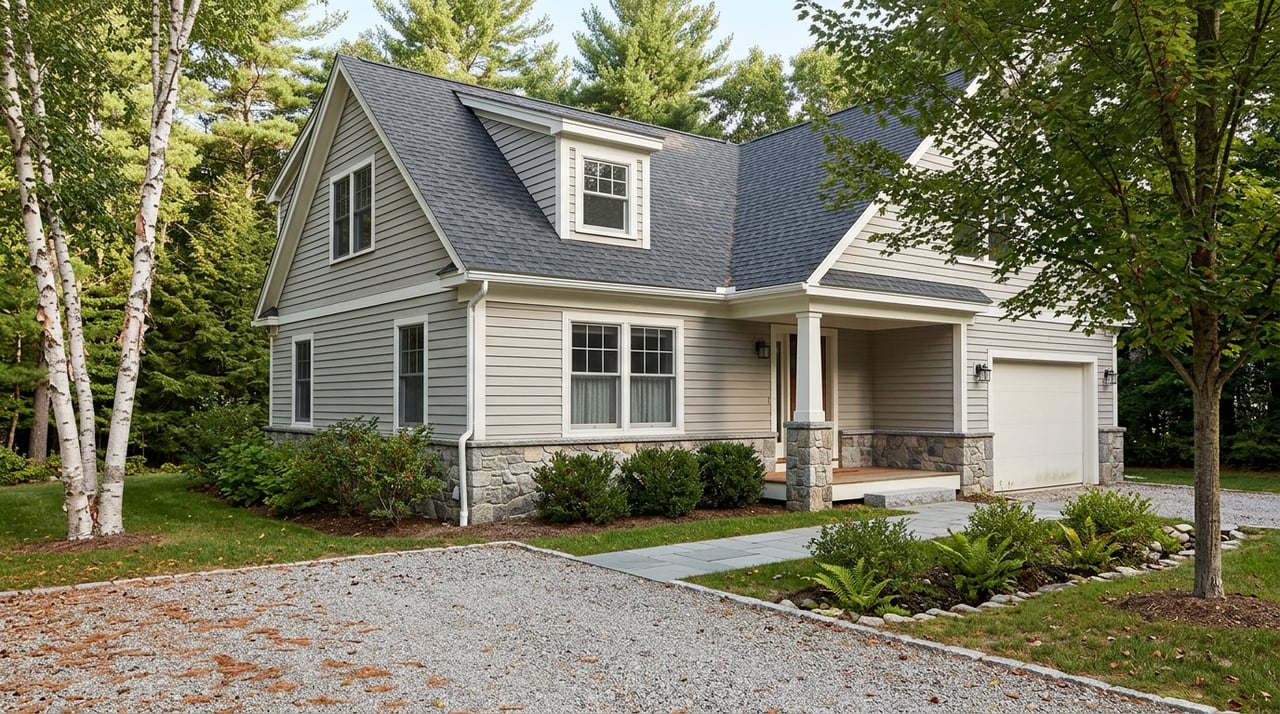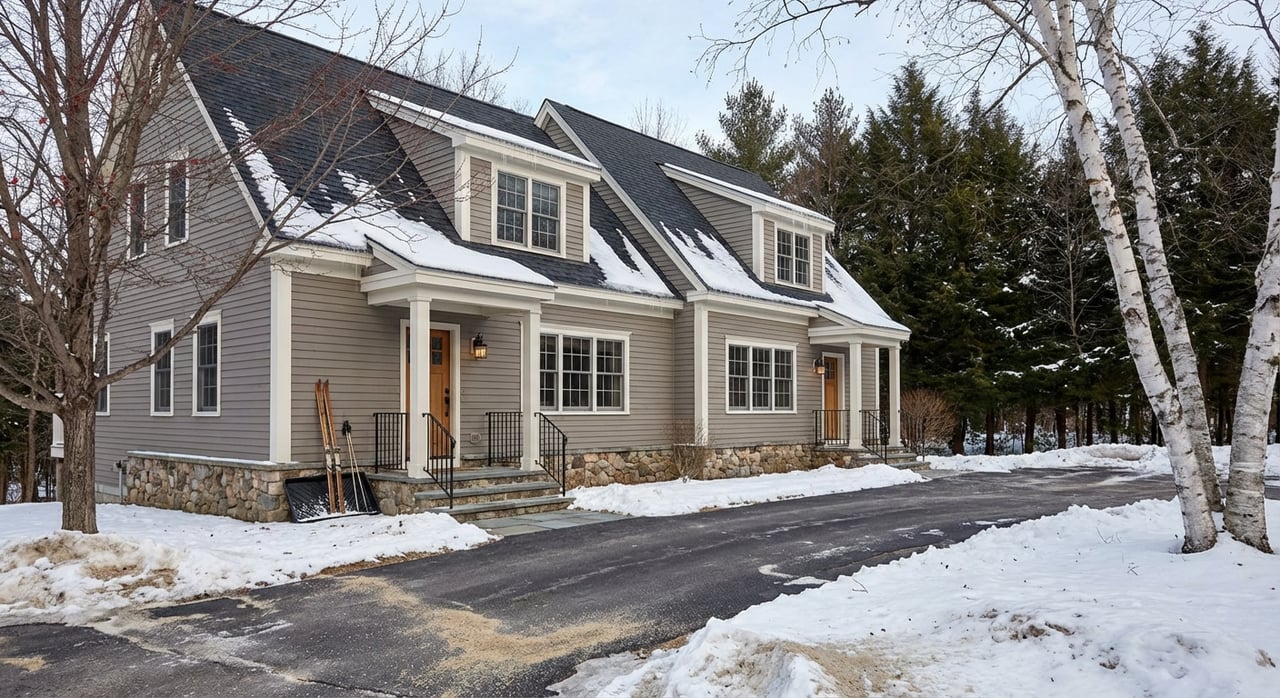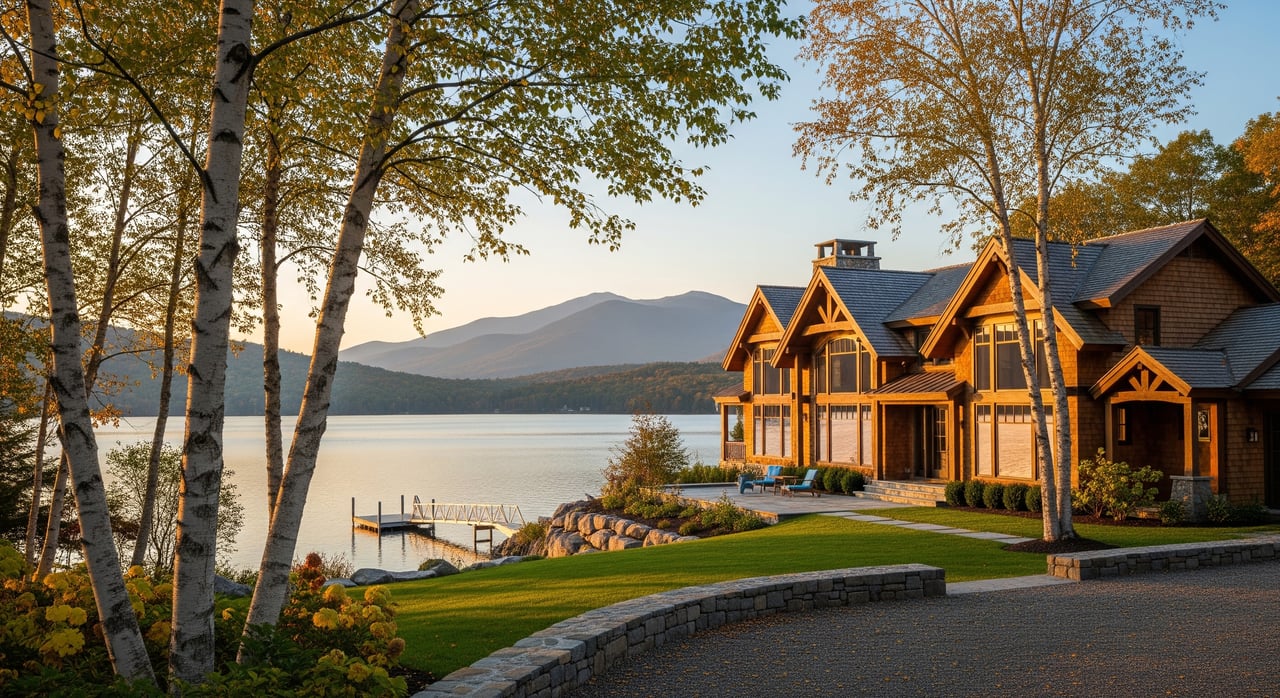
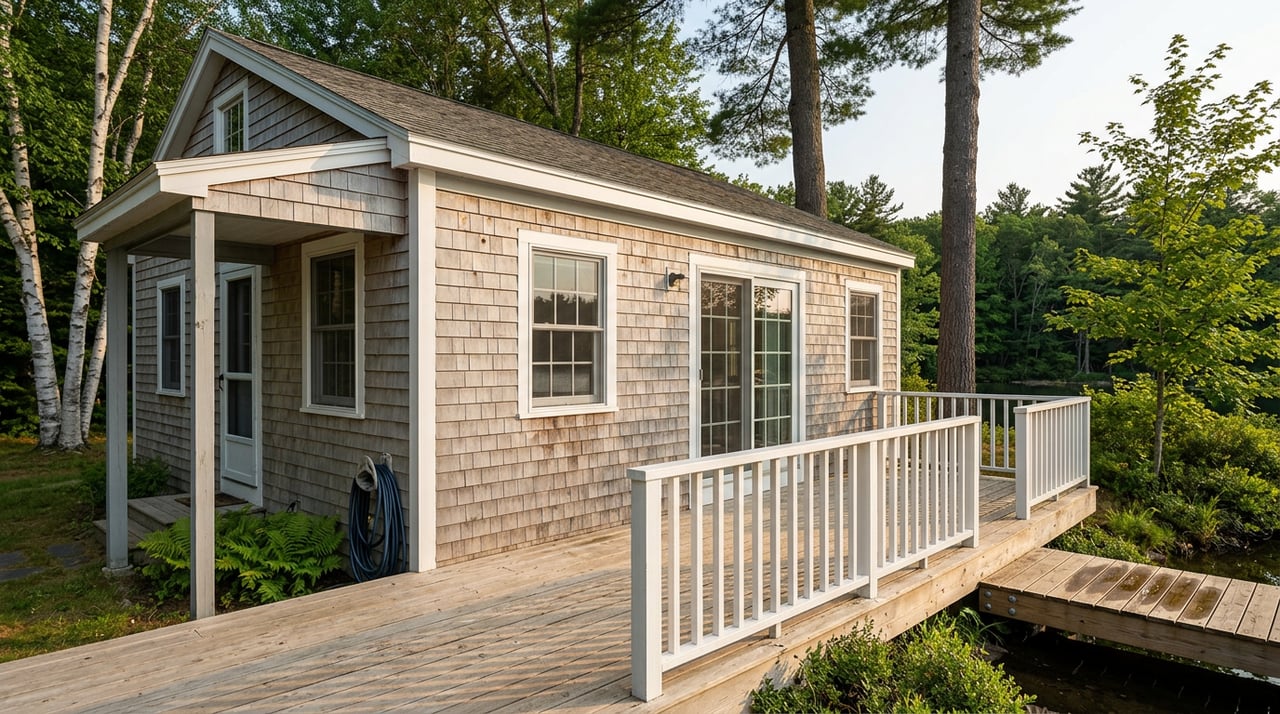
Thinking about parting with your Fryeburg getaway? You want a smooth sale, the right price, and a buyer who appreciates lake days and mountain nights as much as you do. In this guide, you’ll learn how to time your listing, prep permits and paperwork, price with confidence, and market to the second‑home buyer pool that shops in western Maine. You’ll also get a simple timeline and tips to avoid last‑minute surprises. Let’s dive in.
Market timing in Fryeburg
Vacation and second‑home markets move with the seasons. Spring through early summer usually brings the most interest for lake and river properties, while fall and winter tend to matter more for ski‑adjacent homes. If your cottage shines in July, plan to list so buyers see green lawns, docks in the water, and sunny drone shots. If snowmobiling or mountain access is your hook, make sure you have winter photography and access notes ready.
Recent statewide reports show that Maine’s market stayed active into 2025, with price growth in many counties, including Oxford. Use those trends to set realistic expectations, then confirm timing with fresh local comps on listing day. You can review the year‑end state snapshot in the Maine Association of REALTORS state housing report to understand overall momentum before you price. The association’s 2025 report is a helpful starting point.
For second‑home shopper behavior, national resources note that high‑quality media and MLS syndication matter, and that out‑of‑state buyers often discover properties online before scheduling a drive‑up weekend. See NAR’s vacation and second‑home resources for broader context.
Price with a Fryeburg CMA
A strong Comparative Market Analysis for Fryeburg adjusts for the features second‑home buyers value most. Because monthly sales can be thin in small towns, your broker should widen comps to nearby Oxford County towns when needed and annotate seasonal differences.
Key adjustments your CMA should cover:
- Waterfront and access rights. Direct waterfront typically commands the largest premium. Deeded access and shared docks still add value, but you must verify deed language, easements, and any association rules. Shoreland work and past permits belong in your listing packet. Review Maine DEP’s shoreland guidance to understand what buyers and lenders will look for.
- Year‑round use. Is the home insulated, winterized, and accessible in winter? Many lenders require properties to be suitable for year‑round occupancy for second‑home financing. See Fannie Mae’s second‑home eligibility for what underwriters consider.
- Septic and well. Age, capacity, last pump, well output, and potability all affect price. Fryeburg’s Land Use Ordinance ties local approvals to Maine’s Subsurface Wastewater Rules, so documented evaluations help both pricing and buyer confidence. Start with the Fryeburg Land Use Ordinance.
- Road and access. Private or gated roads, seasonal closures, and maintenance agreements impact value and financing. Confirm obligations and disclose them up front. The town’s Code Enforcement page is your hub for questions.
- Comparable use. A home with a track record as a personal second home differs from one offered with a documented rental history. If you share rental details, make sure they comply with local rules and are backed by records.
Permits and paperwork to prepare
Good documentation speeds buyer decisions and reduces back‑and‑forth during inspections. Assemble these items before you list:
- Deed, any easements, and association documents for roads or shared water access.
- Shoreland, dock, or shoreline improvement permits or approvals, if any. Cross‑check with Maine DEP shoreland guidance.
- Septic type, age, and maintenance records, plus a recent evaluation if the age or capacity is unclear. Review standards in the Land Use Ordinance and Maine’s Subsurface Wastewater Rules.
- Well test results and basic system details.
- Any building, plumbing, or land‑use permits on file. Start with Fryeburg Code Enforcement and the Town Clerk and Administration page to confirm contacts and forms.
- An inventory of appliances, systems, and furnishings you plan to include.
Septic, well, and shoreland essentials
Septic and water systems are top‑of‑mind for second‑home buyers who may not live locally. A recent septic pump or evaluation and a potability test for the well can prevent late‑stage renegotiations. Where your property touches or accesses shoreland, verify the exact legal basis for access and any past dock or shoreline work. Buyers and appraisers will expect to see permit history and clear deed language. If you are unsure about past work, ask the town’s Code Enforcement Office how to proceed with documentation.
Short‑term rentals: what to know
If you have marketed the home as an Airbnb or VRBO, confirm how Fryeburg regulates short‑term rentals and whether any registration is required to operate. The town publishes forms and guidance, including a Short‑Term Rental Application, on its Code Enforcement forms page. Before advertising rental potential, gather proof of registration where required, occupancy tax records if applicable, and any house rules or association restrictions. Clear, accurate disclosures build trust and protect your sale.
Marketing that attracts the right buyers
Second‑home shoppers respond to details that match their lifestyle. Your listing should:
- Highlight hooks: direct waterfront, deeded access, private beach, shared dock, sleeping capacity, year‑round utilities, heating fuel type, and proximity to lakes, the Saco River, and White Mountains recreation.
- Use professional media: summer and winter photos if both seasons matter, drone imagery for waterfront, and a measured floor plan.
- Syndicate widely: list on the MLS to reach the largest pool of out‑of‑area buyers who start their search online. Pair that with targeted outreach to regional drive markets.
- Be transparent: if a road is private or winter‑maintained by an association, state it clearly. If the property is winterized, set showing instructions that respect those conditions.
For national context on how second‑home buyers shop and how policy trends shape demand, see NAR’s resort and second‑home resources.
Financing and appraisal realities
Many vacation‑home buyers use conventional loans designed for second homes, while others pay cash. Conventional guidelines require personal use and typically expect the property to be suitable for year‑round occupancy, with stronger reserves and down payments than a primary home. Review Fannie Mae’s eligibility overview for what underwriters look for.
FHA financing is generally not available for a vacation or second home because FHA requires primary‑residence occupancy. You can share this point with prospective buyers using this consumer explanation of FHA rules: FHA owner‑occupancy guidance. If your buyer is financing, expect the appraiser to seek comparable sales with similar waterfront status and seasonal access. This is another reason to provide clear documentation on utilities, winter access, septic capacity, and any shoreland permits.
Seller timeline and checklist
Use this simple plan to work backward from your preferred list date.
9 to 12 months before listing
- If you are considering shoreline work, a septic upgrade, or major repairs, consult a contractor and the town’s Code Enforcement Officer about permits and timing. Plan heavy work outside peak showing months.
3 to 6 months before listing
- Order a septic evaluation if the system age or capacity is unclear. Schedule a septic pump if due. Complete a well water test.
- Service heating systems and chimney. Address roof, deck, or safety issues.
- Decide on furnishings you plan to include. Start light staging that fits a vacation home.
- Draft your media plan: summer and winter photos if relevant, drone, and a floor plan.
1 to 4 weeks before listing
- Finalize professional photography and media.
- Assemble your property factsheet: deed, easements, association contacts, permit records, septic and well docs, and any shoreland permits.
- Prepare seller disclosures and set clear showing instructions for seasonal utilities.
- Schedule open houses or broker previews to match weekend travel windows.
Listing and launch
- Go live on the MLS with complete documents attached. Share widely with out‑of‑area buyer agents. Monitor early feedback and adjust as needed.
Winter access and private roads
In Fryeburg, some private or camp roads are not plowed or are gated off‑season. Buyers need to know exactly how and when the property is accessible. Disclose who maintains the road, any association dues, and whether a four‑season vehicle is recommended. If your property is winterized, note the steps required to de‑winterize for inspections. For questions about local rules or permits tied to access and utilities, visit Fryeburg Code Enforcement.
Your next step
Selling a vacation home is different from selling a primary residence. The right timing, clean documentation, clear access notes, and targeted marketing can add real dollars to your outcome. If you would like a pricing discussion, a permit and paperwork review, or a launch plan tailored to your lake or mountain property, connect with Ryan Mahan for local, hands‑on guidance.
FAQs
When is the best season to sell a Fryeburg vacation home?
- Spring through early summer typically draws the most interest for lake and river properties, while fall and winter can be strong for ski‑adjacent or snowmobile‑friendly homes; plan media and access accordingly.
What documents do I need to advertise “water access” in Fryeburg?
- Provide the deed or easement showing legal access, any association rules for shared docks, and any shoreland or dock permits; see Maine DEP’s shoreland guidance for context.
Do I have to replace my septic system before I list?
- Not necessarily; however, a recent evaluation and pump record that meet town and state standards builds buyer confidence and can prevent renegotiations; start with the Fryeburg Land Use Ordinance.
Can a buyer use FHA financing to purchase my second home?
- Generally no; FHA loans require primary‑residence occupancy, so most vacation‑home buyers use conventional second‑home loans or cash; see this FHA owner‑occupancy summary.
How should I disclose private road or winter access limits?
- State who maintains the road, any dues, whether winter plowing occurs, and any seasonal closures; set clear showing instructions if the home is winterized and direct questions to Fryeburg Code Enforcement.